



You use a maritime dual PTZ camera when you need clear vision and reliable monitoring on the water. WINSAFE designs these cameras with both thermal and optical sensors, which let you see in total darkness, thick fog, or bright sunlight. You gain crisp images even in low visibility, and you can track distant vessels or objects with advanced zoom and tracking features. This technology helps you spot threats and navigate safely, making it essential for anyone who values situational awareness during maritime operations.
Key Takeaways
-
Maritime dual PTZ cameras combine thermal and optical sensors, providing clear images in all weather conditions, enhancing safety and navigation.
-
The PTZ mechanism allows users to pan, tilt, and zoom, giving full control over monitoring and improving response times to potential threats.
-
Regular maintenance, such as cleaning and inspecting the camera, is essential for ensuring long-lasting performance in harsh marine environments.
-
Choosing the right camera involves matching it to your vessel's needs, considering factors like explosion-proof features and corrosion resistance.
-
Investing in quality maritime cameras can lead to long-term savings through lower maintenance costs and improved operational efficiency.
Maritime Dual PTZ Camera Overview
Definition and Core Functions
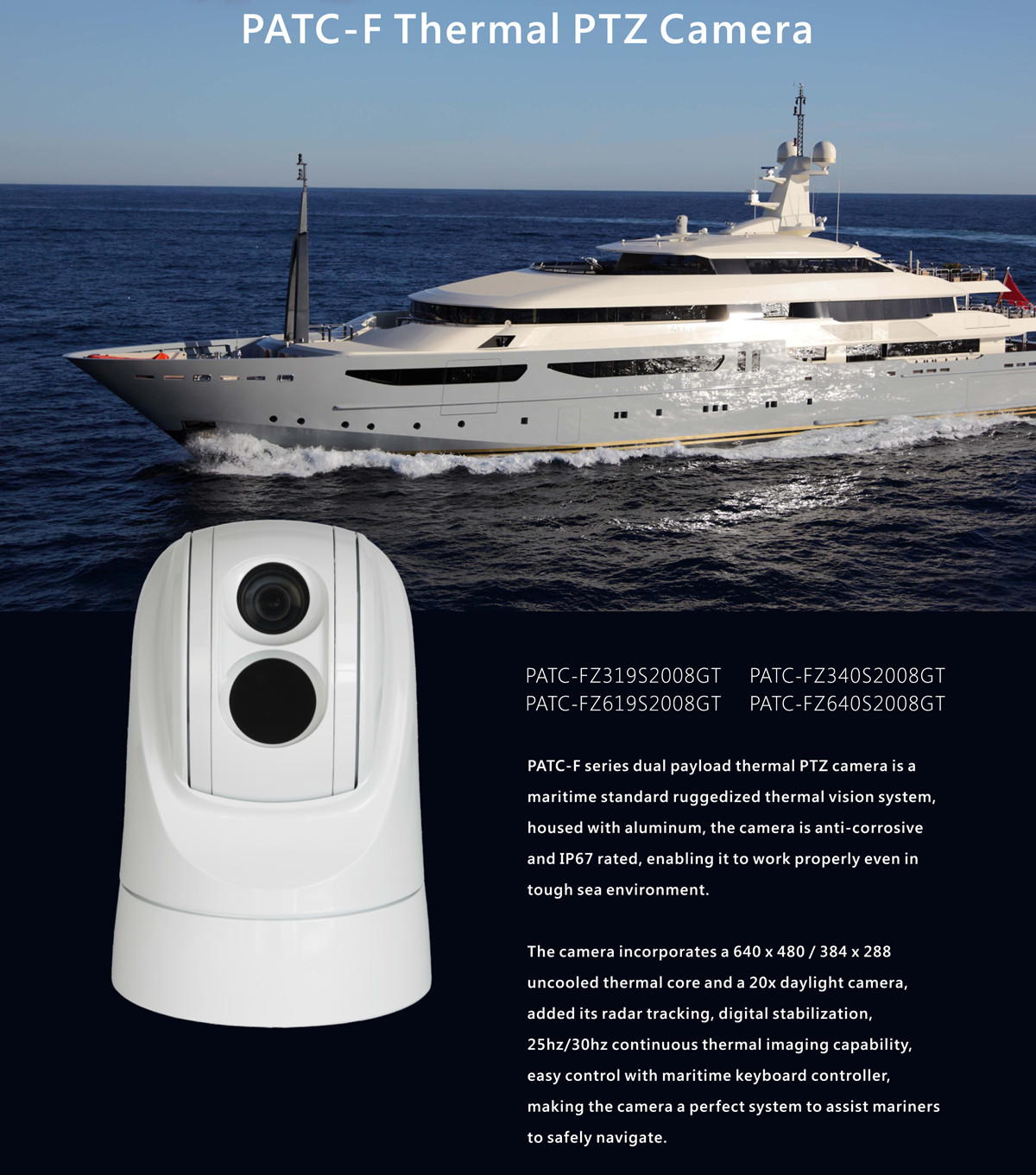
You rely on a maritime dual PTZ camera when you need advanced monitoring on the water. This camera combines two powerful imaging systems—thermal and optical—into one device. You can use it to detect objects, vessels, or people in all lighting and weather conditions. The PTZ (pan-tilt-zoom) mechanism lets you move the camera in any direction and zoom in for detailed views. WINSAFE leads the industry by offering cost-effective, high-quality solutions that meet the demands of maritime professionals.
WINSAFE stands out for its commitment to innovation and customer satisfaction. The company’s presence at major industry events, like INMEX China, shows how it connects with professionals and showcases advanced maritime camera technology.
Dual Imaging Technology
A maritime dual PTZ camera gives you two types of vision. The optical sensor captures sharp, colorful images during the day or in good lighting. The thermal sensor detects heat signatures, so you can see in darkness, fog, or heavy rain. You can switch between these views with the push of a button. For example, the MX5 marine PTZ camera uses a high-performance optical camera for clear color images and a thermal imaging core for reliable performance in tough conditions. You get two video outputs, which means you can monitor both views and choose the best one for your situation. This technology helps you maintain awareness and respond quickly to changes on the water.
PTZ Mechanism
The PTZ mechanism gives you full control over where the camera looks and how closely it zooms. You can pan left or right, tilt up or down, and zoom in to see distant objects. WINSAFE’s PATC-F series dual payload thermal PTZ camera offers advanced features that make navigation and surveillance easier. The table below shows some key technical specifications:
|
Specification |
Details |
|---|---|
|
Model |
PATC-F series dual payload thermal PTZ camera |
|
Housing |
Ruggedized aluminum, anti-corrosive, IP67 rated |
|
Thermal Core |
640x480/380x288 uncooled thermal core |
|
Daylight Camera |
20x optical zoom |
|
Imaging Capability |
25Hz/30Hz continuous thermal imaging |
|
Control Interface |
Ethernet and RS485 via optional maritime keyboard controller |
|
Tracking Features |
Radar tracking (optional), video tracking (optional) |
|
Stabilization |
Digital stabilization |
|
Purpose |
Assists mariners in navigation |
You benefit from advanced features like radar-cued tracking, which follows moving targets automatically using radar data. The table below highlights how these features improve your situational awareness:
|
Feature |
Benefit |
|---|---|
|
Radar integration |
Enhances target tracking and verification through real-time data. |
|
Slew-to-Cue functionality |
Automatically directs the camera to detected targets for immediate visual confirmation. |
|
Native system integration |
Transforms basic cameras into intelligent navigation tools for maritime applications. |
With these capabilities, you can respond faster to potential threats or obstacles. You also gain a reliable tool for navigation, search and rescue, and security operations.
Features and Benefits
Optical and Thermal Sensors
You get advanced imaging with a maritime dual PTZ camera. These cameras use both optical and thermal sensors to give you a complete view of your surroundings. The optical sensor delivers high-resolution color images, while the thermal sensor detects heat signatures. This combination helps you spot objects, vessels, or people in any condition. The table below shows how each sensor performs:
|
Sensor Type |
Resolution |
Detection Capabilities |
Features |
|---|---|---|---|
|
Thermal |
256(H)×192(V) |
Real-time temperature measurement, multiple presets |
Uncooled VOX Microbolometer, 8-14μm spectrum range |
|
Optical |
2560*1440 |
Low illumination performance, noise reduction |
4MP Sony Starvis CMOS, 32X optical zoom |
You can rely on these sensors for accurate detection and identification, even when visibility is poor.
Enhanced Visibility in All Conditions
You need clear vision on the water, no matter the weather or time of day. A maritime dual PTZ camera helps you maintain awareness in challenging environments. Here’s how these cameras keep you safe:
-
Thermal imaging provides clear images during nighttime, heavy fog, rain, or snow.
-
You can identify navigation targets such as vessels and buoys, even in low visibility.
-
The camera operates effectively regardless of lighting, so you get continuous monitoring.
This technology ensures you never lose sight of important details, which is critical for navigation and safety.
Rugged Design for Marine Use
You face harsh conditions at sea. Your camera must withstand saltwater, strong winds, and constant motion. WINSAFE designs its cameras with ruggedized aluminum housings and IP67 weatherproof ratings. To keep your equipment reliable, you should:
Regularly clean and inspect your camera. Install it in protected locations. Use covers for impact resistance. Ensure a stable power supply. Update software and firmware. Check for corrosion or damage every week.
These steps help your camera last longer and perform better in tough marine environments.
WINSAFE Advantages
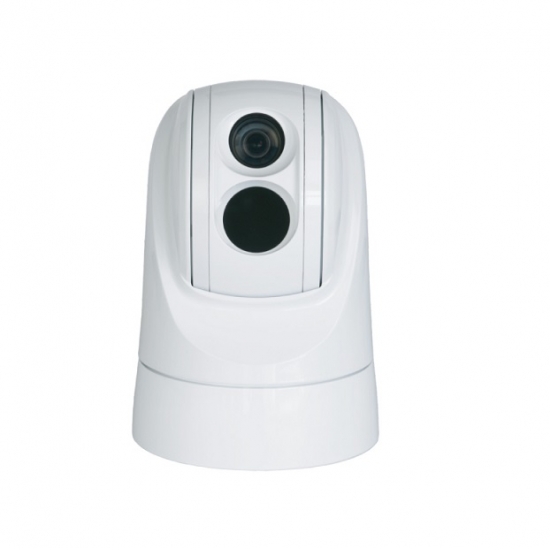
You benefit from unique features when you choose WINSAFE. The PATC F Series offers a dual payload system, making it versatile for many maritime tasks. You get both visible light and thermal imaging, so you can operate day or night, even in fog. WINSAFE’s maritime dual PTZ camera delivers superior results for users who need reliable visual and thermal imaging. This makes it ideal for navigation, security, and search and rescue operations.
Dual vs. Single Cameras
Imaging Differences
You need to understand how imaging differs between single and dual camera systems. A single camera usually gives you either optical or thermal imaging, not both. This limits your ability to see in all conditions. When you use a maritime dual PTZ camera, you get both optical and thermal sensors in one device. The optical sensor provides sharp color images during the day. The thermal sensor detects heat signatures, which helps you see at night or through fog and smoke. You can switch between these views as needed, so you always have the best image for the situation.
Performance Comparison
You want reliable performance on the water. Single cameras often struggle in low visibility or harsh weather. Dual cameras solve this problem by combining two imaging technologies. You can track vessels, people, or obstacles even when visibility drops. The PTZ mechanism lets you pan, tilt, and zoom for a closer look. This flexibility improves your response time and accuracy. You also gain advanced features like radar-cued tracking and digital stabilization, which are not available in most single-camera systems.
Advantages of Dual Payload
You benefit from several operational advantages when you choose a dual payload system. The table below highlights key benefits:
|
Advantage |
Description |
|---|---|
|
All-weather visibility |
Combines daylight and thermal imaging for enhanced visibility in various conditions. |
|
Advanced tracking and detection |
Supports sophisticated tracking and detection capabilities for improved operational efficiency. |
|
Improved safety during night ops |
Enhances safety in low-light conditions, crucial for navigation and emergency situations. |
|
Versatility for various applications |
Suitable for commercial, law enforcement, and large vessels, enhancing operational flexibility. |
You can use these systems for many tasks, such as navigation, security, and search and rescue. Dual payload cameras give you the tools to handle changing conditions and complex missions. You get more value and better safety compared to single-camera options.
Use Cases
Navigation and Safety
You depend on clear vision and fast response when navigating busy or unpredictable waters. A maritime dual PTZ camera gives you both. You can switch between thermal and optical views to adapt to changing light or weather. Radar integration lets you track moving targets in real time, which helps you avoid collisions and spot hazards early. Digital stabilization keeps your images steady, even when your vessel rocks. High thermal sensitivity allows you to detect subtle temperature differences, so you can identify vessels, floating debris, or people in the water.
|
Feature |
Benefit |
|---|---|
|
Dual Payload Imaging |
Combines thermal and daylight imaging for adaptability in various lighting conditions. |
|
Radar Integration |
Enables real-time tracking of moving targets, enhancing situational awareness. |
|
Digital Stabilization |
Compensates for vessel movement, providing steady images for accurate monitoring. |
|
High Thermal Sensitivity |
Detects subtle temperature differences to identify vessels, obstacles, or people in the water. |
Security and Surveillance
You need to protect your vessel and crew from threats. With a maritime dual PTZ camera, you monitor restricted areas and detect unauthorized activity, day or night. The camera’s zoom and tracking features let you follow suspicious targets without losing detail. You can integrate the system with alarms or radar for automated alerts. This technology helps you maintain security on commercial ships, patrol boats, and port facilities.
Tip: Use the camera’s preset patrol routes to automate surveillance and cover large areas efficiently.
Search and Rescue
You play a vital role in emergencies at sea. A maritime dual PTZ camera helps you locate people or vessels quickly, even in darkness or fog. Thermal imaging penetrates sea spray and low visibility, making it easier to spot survivors. Long-range detection allows you to identify targets over 50 kilometers away. Real-time monitoring supports coordinated rescue efforts.
|
Feature |
Description |
|---|---|
|
Thermal Imaging |
Enhances visibility in low-light and adverse weather conditions, penetrating fog and sea spray. |
|
Detection Range |
Capable of detecting vessels, swimmers, and threats from waterborne vectors. |
|
Real-time Monitoring |
Enables tracking of targets effectively during search and rescue operations. |
Real-World WINSAFE Applications
You see WINSAFE cameras in action on ferries, coast guard vessels, and offshore platforms. Operators use them for navigation, perimeter security, and emergency response. WINSAFE’s advanced features, such as radar-cued tracking and seamless integration, improve safety and efficiency. You benefit from reliable performance in harsh marine environments, making these cameras a trusted choice for maritime professionals.
Choosing Your Camera
Vessel Type and Needs
You should match your camera choice to your vessel and its operations. Different ships have unique requirements. For example, FPSOs need explosion-proof cameras that meet ATEX and SOLAS standards. You must consider several factors before making a decision:
-
Choose explosion-proof models for hazardous environments.
-
Select cameras with local NVR recording if you have limited bandwidth. This allows you to send only alarm clips and live feeds via satellite.
-
Look for cameras with a high Mean Time Between Failure (MTBF) to reduce downtime.
-
Ensure you have spare parts on board for quick repairs.
-
Pick housings made from 316L stainless steel to resist corrosion.
-
Use cameras with at least an IP66 rating for exterior use. IP67 is better for areas exposed to heavy weather.
These steps help you get the best performance and reliability from your maritime dual PTZ camera.
Budget Considerations
You need to plan for both initial costs and long-term savings. The table below compares typical expenses for different camera types:
|
Cost Factor |
Security Surveillance PTZ Camera |
Search and Rescue PTZ Camera |
|---|---|---|
|
Initial Purchase Price |
$6,000–$12,000 |
$10,000–$20,000 |
|
Annual Maintenance |
$800–$1,500 |
$500–$1,000 |
|
Replacement Interval |
Every 4–5 years |
Every 5–8 years |
|
False Alarm Rate |
High |
Low |
|
Hidden Costs (Recalibration) |
$300–$700/year |
$150–$400/year |
You can see that search and rescue models often last longer and have lower maintenance costs. Lower false alarm rates also reduce hidden expenses. By investing in quality equipment, you save money over time.
WINSAFE Selection Guide
You want a camera that fits your specific marine application. WINSAFE recommends choosing a system with both visible light and thermal imaging. This combination gives you effective monitoring in all conditions. You should also consider the following:
-
Match the camera’s features to your operational needs.
-
Check for compatibility with your vessel’s existing systems.
-
Ask about support and training for your crew.
Tip: Consult with WINSAFE experts to find the best solution for your ship. They can help you select the right model and ensure proper installation.
By following these guidelines, you make a smart investment in safety and performance.
You gain reliable monitoring and enhanced safety with a maritime dual PTZ camera. WINSAFE delivers advanced features that help you see clearly in all conditions. You improve navigation, security, and emergency response. You should assess your vessel’s needs and reach out to WINSAFE for expert advice.
Take action to protect your crew and assets with the right camera solution.
FAQ
What makes a maritime dual PTZ camera different from regular cameras?
You get both thermal and optical imaging in one device. Maritime PTZ cameras also feature rugged housings and advanced stabilization. These features help you monitor your vessel in harsh marine environments.
Can I use a maritime thermal camera at night or in fog?
Yes. You can see through darkness, fog, and rain with maritime thermal cameras. The thermal sensor detects heat signatures, so you always get reliable images when visibility drops.
How do rugged PTZ cameras for ships handle harsh weather?
WINSAFE designs rugged PTZ cameras for ships with IP67-rated housings. You get protection from saltwater, wind, and heavy rain. Regular maintenance keeps your camera working in tough conditions.
Are maritime PTZ cameras easy to integrate with other systems?
You can connect maritime PTZ cameras to radar, alarms, and navigation systems. Most models support Ethernet and RS485 interfaces. This makes integration simple for most vessels.
What maintenance do maritime dual PTZ cameras require?
-
Clean the lens and housing regularly.
-
Check for corrosion or damage.
-
Update firmware as needed.
You keep your camera reliable and extend its service life with these steps.



 +8613725587481
 sales@winsafecctv.com