


A Marine Thermal Imagging System gives you a powerful edge in boating safety and navigation. With a Marine Thermal Imagging System, you can instantly spot hidden obstacles, vessels, or people in the water—even in complete darkness or dense fog. These systems integrate seamlessly with your navigation displays, delivering clear, real-time imagery that reduces stress for your crew and greatly enhances situational awareness. Unlike traditional tools, a Marine Thermal Imagging System provides immediate detection and advanced boating safety solutions.
Table: Comparing Traditional Tools vs Marine Thermal Imagging System
|
Feature |
Traditional Tools |
Marine Thermal Imagging System |
|---|---|---|
|
Situational Awareness |
Limited |
Enhanced |
|
Detection in Low-Visibility |
Poor |
Excellent |
|
Early Detection of Obstacles |
Often Delayed |
Immediate |
|
Stress Reduction for Crew |
High |
Low |
Key Takeaways
-
Marine thermal imaging systems improve boating safety by detecting hidden obstacles, vessels, and people in low visibility conditions like darkness or fog.
-
These systems use heat signatures to provide real-time images, helping boaters spot hazards that traditional tools like radar or GPS might miss.
-
Thermal imaging enhances search and rescue efforts by quickly locating people or objects in the water, even in challenging weather or lighting conditions.
-
Integration with navigation displays allows boaters to see thermal images directly, improving situational awareness and reducing stress during navigation.
-
Thermal imaging is especially useful for nighttime navigation, docking, and avoiding collisions, making it a valuable tool for safer and more confident boating.
Boating Safety Challenges In Low Visibility
Nighttime And Fog Risks
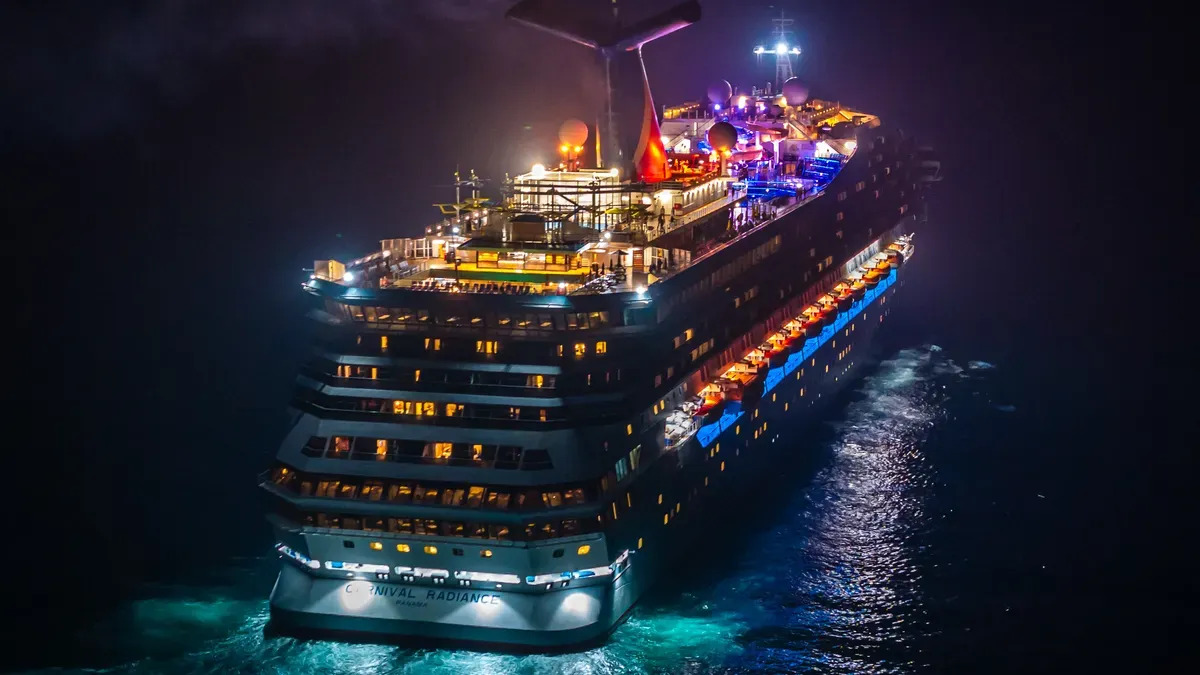
You face some of the most demanding navigation challenges at sea when darkness or fog sets in. Reduced visibility can quickly turn a routine trip into a stressful situation. At night, you may struggle to see floating debris, unlit buoys, or even other vessels. Fog and rain can make it nearly impossible to spot hazards until you are dangerously close.
Tip: Always keep your navigation lights on and designate a lookout to help spot obstacles and other boats.
Common risks you encounter during low visibility include:
-
Low visibility from fog or rain, which hides hazards and other vessels.
-
Increased risk of accidents due to reduced sightlines at night.
-
The need for proper signaling to communicate your intentions to nearby boaters.
-
The importance of maintaining a lookout for obstacles and other vessels.
-
The necessity of using sound signals to indicate maneuvers and avoid collisions.
Night boating equipment, such as navigation lights and sound signals, plays a crucial role in keeping you and your crew safe. However, even with these tools, you may still find it difficult to detect certain dangers in time.
Limits Of Traditional Navigation Tools
Traditional navigation tools, such as radar and GPS, help you find your way, but they have clear limitations in low visibility. Radar systems often fail to detect small or non-metallic objects because these items lack a radar cross section. This means you might not see floating logs, kayaks, or even people in the water until it is too late. GPS provides your position but does not show real-time obstacles.
Night vision and night vision technologies can improve your ability to see in the dark, but they also have limits. For example, video-based night vision may trigger false alarms from insects or raindrops, while radar ignores these but still misses small hazards. These navigation challenges at sea highlight the need for advanced solutions that give you a clearer picture of your surroundings.
When you understand the limits of traditional tools, you can better appreciate the value of marine thermal imaging systems. These systems help you overcome the toughest visibility conditions and make boating safer for everyone on board.
How Marine Thermal Imaging Systems Work
Heat Signatures And Imaging
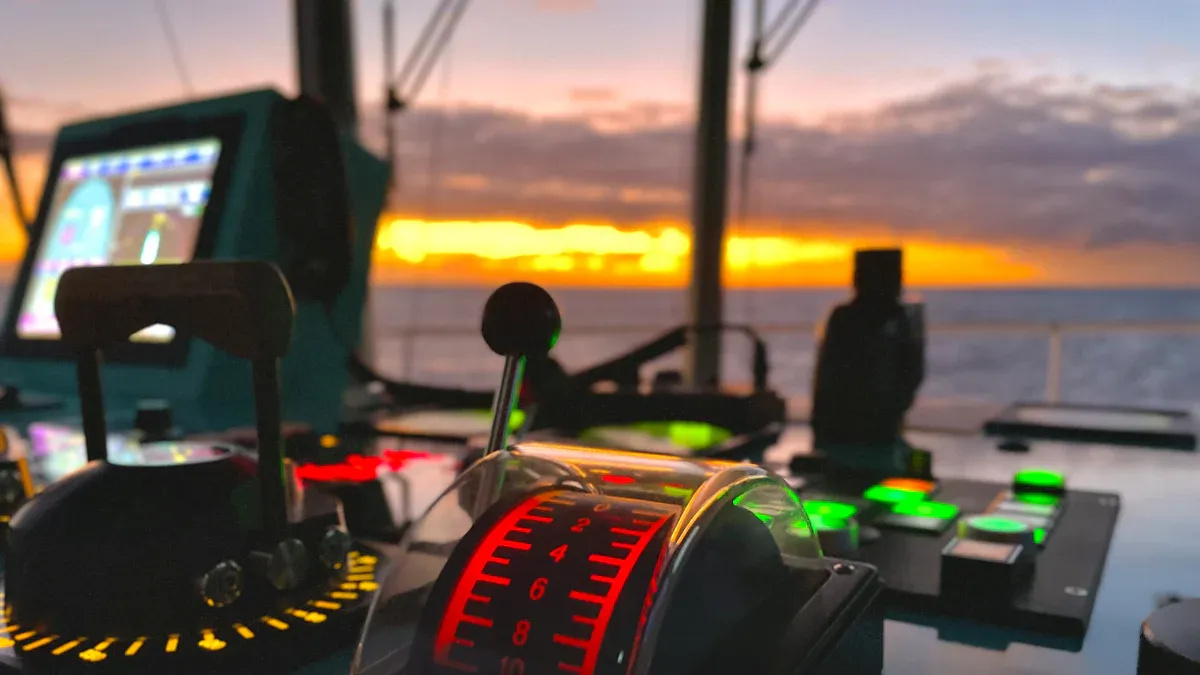
You rely on a marine thermal imagging system to detect heat signatures from objects, vessels, and people in the water. This advanced thermal imaging technology captures infrared radiation, which every object emits as heat. Unlike visible light, infrared radiation penetrates darkness, fog, and haze, giving you real-time visibility regardless of lighting conditions. Marine thermal cameras create images based on temperature differences, so you can spot hazards that would otherwise remain hidden.
-
Thermal imaging detects heat signatures at long distances.
-
You can visually recognize people in the water, even if they lack reflective gear.
-
The system enhances search and rescue efforts by locating missing persons quickly.
-
You gain unmatched situational awareness in total darkness.
Modern thermal technology gives you independence from lighting conditions. You see floating debris, unlit buoys, and other vessels that radar or your eyes might miss. Thermal imaging for boats provides a clear advantage when you need to react fast to potential dangers.
Note: Marine thermal imagging systems perform best in favorable weather. Heavy rain or snow can reduce image clarity and detection range, so you should always consider weather conditions when relying on thermal imaging boating.
Real-Time Navigation Integration
Seamless integration with marine navigation aids transforms your experience on the water. You view thermal images directly on your navigation displays, allowing you to spot hazards not visible on radar. Infrared-enhanced searchlights automatically adjust to areas with detectable heat sources, improving safety and efficiency.
-
Thermal imaging enhances safety by showing vessels, floating debris, and individuals in low-visibility conditions.
-
You react faster to dangers, which helps you avoid collisions.
-
The technology proves especially effective at night or in fog, where visibility drops to nearly zero.
Marine thermal imagging system integration with real-time navigation displays gives you a powerful tool for detection and situational awareness. You benefit from advanced thermal imaging that supports safer boating and more confident decision-making.
Tip: Always check your navigation display for thermal imaging overlays. This feature helps you identify hazards that radar cannot detect.
Simulated Bar Chart: Thermal Imaging Performance in Different Conditions
|
Condition |
Performance Level |
|---|---|
|
Clear Night |
██████████ |
|
Dense Fog |
███████ |
|
Heavy Rain |
███ |
|
Snow |
██ |
Higher bars indicate better performance.
Safety Benefits Of Thermal Imaging For Boaters
Marine thermal imagging system technology delivers a significant leap in safety for every boater. You gain the ability to spot hazards, avoid collisions, and respond quickly to emergencies. The following sections break down the core benefits you experience with thermal imaging for boaters.
Hazard Detection And Collision Avoidance
You face many hidden dangers on the water, especially at night or in fog. Marine thermal imagging system technology gives you a clear advantage by revealing obstacles that traditional tools often miss. With thermal imaging, you can:
-
Detect floating debris, lobster-pot buoys, and unlit objects before they become threats.
-
Identify small boats or kayaks that lack reflective surfaces.
-
Spot marine animals or people in the water, even in total darkness.
Tip: Early hazard detection reduces the risk of accidents and gives you more time to react.
The table below compares how marine thermal cameras outperform traditional methods in key safety areas:
|
Feature |
Marine Thermal Imaging Systems |
Traditional Methods |
|---|---|---|
|
Visibility in Darkness |
Excellent |
Poor |
|
Performance in Adverse Weather |
High |
Limited |
|
Detection of Unlit Objects |
Effective |
Ineffective |
|
Early Warning for Hazards |
Yes |
No |
|
Identification of Floating Debris |
Yes |
Often Missed |
You benefit from thermal imaging boating because it detects infrared radiation, allowing you to see through darkness, fog, and smoke. This technology enables you to identify hazards sooner, which lowers the chance of collisions and keeps your crew safe.
Enhanced Search And Rescue
When emergencies strike, every second counts. Marine thermal imagging system technology transforms your ability to conduct search and rescue. You can quickly locate people in the water by detecting their heat signatures, even if they lack reflective gear or are hard to see with the naked eye.
-
Thermal imaging for boats enables you to scan large areas rapidly.
-
You can detect vessels or individuals in distress, regardless of lighting conditions.
-
Search and rescue tech powered by thermal imaging increases the odds of a successful rescue.
Note: Many rescue teams now rely on thermal imaging for faster detection and improved outcomes.
Thermal imaging also helps you identify engine or environmental issues by visualizing temperature anomalies. This proactive approach can prevent breakdowns and support safer boating.
Situational Awareness And Docking Aid
Thermal imaging for boaters enhances your situational awareness in every environment. You see more than just other boats—you spot dock pilings, markers, shorelines, and even marine animals. This level of awareness proves invaluable when you approach a crowded marina or navigate unfamiliar waters.
-
You detect obstacles like floating logs or unlit kayaks before they threaten your vessel.
-
Real-time thermal imaging overlays on your navigation display give you confidence during docking.
-
You gain peace of mind knowing you can avoid hidden dangers, even in poor visibility.
The table below highlights common user-reported benefits of marine thermal imaging systems:
|
Benefit |
Description |
|---|---|
|
No contact needed |
Keeps you out of danger when examining high temperature components. |
|
Real-time scanning |
Enables fast scanning and recording of stationary targets without delay. |
|
Visualizing thermal patterns |
Helps you identify issues quickly, reducing the need for professional troubleshooting. |
|
Enhanced survey reports |
Provides detailed insights into potential faults in various components. |
Safety Improvements with Marine Thermal Imaging Systems
Below is a simulated bar chart showing how marine thermal imaging systems improve safety in key boating scenarios:
|
Safety Scenario |
Improvement Level |
|---|---|
|
Hazard Detection |
██████████ |
|
Collision Avoidance |
█████████ |
|
Search and Rescue |
██████████ |
|
Docking in Low Visibility |
████████ |
|
Identifying Engine Issues |
███████ |
Longer bars indicate greater improvement.
With marine thermal imagging system technology, you experience a new standard of safety and confidence on the water. Whether you navigate at night, respond to emergencies, or dock in challenging conditions, thermal imaging boating gives you the tools to protect your vessel and crew.
Real-World Applications And Use Cases
Recreational And Fishing Boats
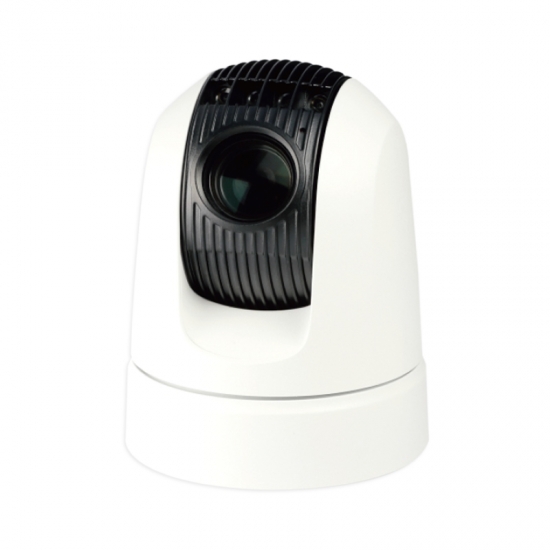
You benefit from marine thermal imaging systems on recreational and fishing boats in many practical ways. When you navigate at night or during early morning hours, visibility often drops due to darkness or glare from the sun. In one real-world example, a crew member felt uneasy during a night passage because he could not see potential hazards. By using a handheld FLIR Ocean Scout TK thermal camera, he quickly identified obstacles in the dark. This tool boosted his confidence and made him a more effective lookout.
Anglers also gain a safety advantage with thermal cameras. Glare from the rising sun can hide floating debris or buoys. Thermal imaging cuts through this glare, allowing you to spot hazards that might otherwise go unnoticed. You avoid collisions and protect your vessel, even in challenging light conditions.
Thermal imaging systems also help you protect marine wildlife. You can detect animals in low visibility, which helps prevent accidental strikes. This technology supports responsible boating and environmental stewardship.
Tip: Use thermal imaging during early departures or night returns to enhance your awareness and keep your crew safe.
Simulated Bar Chart: Thermal Imaging Benefits for Recreational Boaters
|
Benefit |
Impact Level |
|---|---|
|
Night Navigation |
██████████ |
|
Glare Reduction |
████████ |
|
Wildlife Detection |
███████ |
|
Obstacle Avoidance |
█████████ |
Law Enforcement And Emergency Response
You see marine thermal imaging systems transform law enforcement and emergency response operations. Agencies rely on these systems to extend their operational reach and improve safety for personnel during missions. The technology provides critical information for decision-making in emergencies.
|
Benefit |
Description |
|---|---|
|
Extended Reach |
FLIR cameras allow law enforcement to operate effectively in maritime environments. |
|
Enhanced Operational Safety |
The systems improve safety for officers and responders during missions. |
|
Improved Situational Awareness |
Thermal imaging delivers vital data for quick, informed decisions in emergency situations. |
-
Public safety missions now go beyond traditional law enforcement. You can respond to a wider range of incidents, from environmental protection to urgent rescue operations.
-
Enhanced capabilities mean you reach people in distress faster and with greater accuracy.
A highly stabilized thermal imaging camera mounted on a ship can monitor the water’s surface for whale surfacings and exhalations. This technology alerts crews within seconds, allowing you to adjust course and prevent vessel strikes, which protects both people and marine life.
You use marine thermal imaging not only for law enforcement but also for environmental monitoring and wildlife protection. This versatility makes it a valuable asset for any agency operating on the water.
Thermal Imaging Vs. Night Vision For Navigation
Unique Advantages Of Thermal Imaging
You gain a significant edge in navigation when you use thermal imaging. This technology detects heat signatures, allowing you to see through total darkness, fog, smoke, and even light vegetation. Unlike night vision, which depends on ambient light, thermal imaging works in nearly all lighting conditions. You can spot living creatures, vessels, and obstacles at distances exceeding 1,000 yards, making it ideal for safety and search and rescue operations.
"We’ve added a thermal camera to every SAR vessel in the fleet. It’s helped us locate multiple missing persons in conditions where we otherwise would’ve called off the search." — Chief R. Daniels, Gulf Coast Marine Rescue
Thermal imaging also reduces glare and operator fatigue, which helps you stay alert during long operations. You benefit from seamless integration with advanced navigation systems, enhancing your situational awareness. In challenging weather, thermal imaging reveals hazards that night vision technologies might miss.
Comparison Table: Night Vision vs. Thermal Imaging
|
Feature |
Digital Night Vision |
Thermal Imaging |
|---|---|---|
|
Detection Range |
400-500 yards |
1,000+ yards |
|
Image Detail |
High resolution |
Detection-focused |
|
Lighting Requirements |
Needs some light |
Works in total darkness |
|
Weather Performance |
Limited in fog/rain |
Most weather conditions |
|
Cost |
More affordable |
More expensive |
|
Color Capability |
Full color (with light) |
Grayscale/false color |
|
Day/Night Use |
Day and night |
Primarily night |
|
Battery Life |
Varies |
Generally shorter |
|
Target Identification |
Excellent |
Good for detection |
Simulated Bar Chart: Performance in Adverse Conditions
|
Condition |
Night Vision |
Thermal Imaging |
|---|---|---|
|
Darkness |
███████ |
████████████ |
|
Fog |
███ |
█████████ |
|
Rain |
███ |
███████ |
|
Glare |
██████ |
█████████ |
Longer bars indicate better performance.
When To Use Each Technology
You should choose between night vision and thermal imaging based on your specific needs and operating environment. Night vision technologies amplify available light, making them effective for navigation in low-light conditions with some ambient light, such as moonlit nights. They provide high-resolution, full-color images when light is available and offer a more budget-friendly entry point. Night vision works well for identifying targets and reading details, but its effectiveness drops in fog, rain, or total darkness.
Thermal imaging excels when you face complete darkness or harsh weather. You can detect heat signatures through fog, smoke, and rain, which makes it invaluable for safety, search and rescue, and spotting living creatures. However, thermal imaging systems come with higher costs and shorter battery life. Interpreting thermal images may require practice, and reflective surfaces can affect accuracy.
Consider these factors when selecting your system:
-
Device performance and generation
-
Durability and waterproofing
-
Image quality and resolution
-
Field of view and magnification
-
Battery life and power options
Tip: Use night vision for general navigation in clear, low-light conditions. Switch to thermal imaging when you need to see through darkness, fog, or adverse weather, or when searching for people or animals in the water.
By understanding the strengths and limitations of both night vision and thermal imaging, you can equip your vessel for safer, more effective navigation in any condition.
You gain significant advantages with marine thermal imaging systems, improving safety and navigation for every type of boater. These systems deliver:
-
Enhanced visibility in low-light conditions, helping you identify hazards quickly.
-
Improved situational awareness by revealing people and objects that traditional tools miss.
-
The ability to see through fog and glare, increasing safety during challenging weather.
|
Trend |
Description |
|---|---|
|
Enhanced Image Resolution |
New sensors provide clearer images for precise navigation. |
|
Integration with Augmented Reality (AR) |
AR overlays boost situational awareness during navigation and rescue. |
|
Compact and Lightweight Designs |
Smaller devices make thermal imaging accessible for all users. |
|
Smart Connectivity |
Wi-Fi and Bluetooth enable seamless integration with mobile devices. |
|
Cost Reduction |
Lower prices make advanced safety technology available to more boaters. |
Consider adopting thermal imaging to elevate your boating experience and stay prepared for the future of safety on the water.
FAQ
What is the main advantage of marine thermal imaging over radar?
You gain the ability to detect small, non-metallic objects that radar often misses. Thermal imaging shows heat signatures, so you spot people, animals, and debris—even in total darkness or dense fog.
Can you use marine thermal imaging systems during the day?
Yes, you can use these systems both day and night. Thermal cameras detect heat, not light, so sunlight or darkness does not affect performance. You see hazards clearly at any time.
How difficult is it to install a marine thermal imaging system?
Most modern systems offer straightforward installation. You often mount the camera and connect it to your navigation display. Many brands provide step-by-step guides. Professional installation ensures optimal performance.
Do marine thermal cameras require regular maintenance?
You should clean the lens regularly and check for software updates. Inspect mounting hardware for corrosion. Routine care keeps your system reliable and extends its lifespan.
Will thermal imaging help you dock your boat safely?
Absolutely! You see dock pilings, unlit markers, and other vessels in low visibility. Thermal overlays on your navigation display give you confidence and help you avoid costly mistakes.



 +8613725587481
 sales@winsafecctv.com