



You should choose a single payload Maritime PTZ Camera if you need basic monitoring and want to keep costs low. If you operate in areas with poor visibility or need both daylight and thermal imaging for safety, a dual payload camera offers advanced features. Consider your vessel’s size, typical weather, and the level of surveillance you require. The right camera will help you maintain clear vision and improve safety on board.
Key Takeaways
- Choose a single payload Maritime PTZ Camera for basic monitoring and cost savings. It suits small to medium vessels needing reliable video without advanced features.
- Opt for a dual payload Maritime PTZ Camera if you operate in challenging conditions. This camera provides both thermal and daylight imaging for maximum visibility and safety.
- Consider your vessel's size and typical weather when selecting a camera. The right choice enhances navigation and security, ensuring clear vision at sea.
- Evaluate your operational needs. Different scenarios, like search and rescue or security, require specific camera features for effective monitoring.
- Plan your budget wisely. Look for cameras that offer long-term value and upgrade options to adapt to future technological changes.
Single Payload Maritime PTZ Camera
Key Features
You will find that a single payload Maritime PTZ Camera focuses on delivering clear, high-definition video in a compact and reliable package. These cameras use advanced CMOS sensors to capture crisp images, even in low-light conditions. Many models, such as the Iris ATOM A118 and A418, offer full HD resolution, long-range optical zoom, and powerful infrared lamps for night vision. The following table highlights the technical specifications you can expect:
| Specification | Iris ATOM A118 / A418 |
|---|---|
| Camera Resolution | 1920 x 1080P (HD) |
| Sensor | 1/2.8” High-Performance Low Illumination CMOS |
| Focal Length | 4.7mm - 141mm |
| IR Range | Up to 100m (328ft) |
| Power Requirements | +12vDC / 2000mA Max / 24W Max |
| Environmental Rating | IP66 |
| Weight | 2Kg |
| Dimensions | 206mm x 160mmø |
These features ensure you get reliable performance for everyday monitoring tasks.
Typical Uses
You can use a single payload Maritime PTZ Camera for a wide range of applications. These cameras support navigation, safety, and general surveillance on both commercial and recreational vessels. For example, the FLIR M300C model provides long-range optical zoom and image stabilization, which helps you recognize targets and monitor your surroundings in turbulent conditions. The table below summarizes common uses:
| Application Area | Description |
|---|---|
| Navigation | Enhances visibility and safety during travel |
| Security | Monitors decks and perimeters for unauthorized access |
| Law Enforcement | Supports patrol and incident documentation |
| Recreational Use | Provides peace of mind for yacht and boat owners |
Who Should Choose Single Payload
You should consider a single payload Maritime PTZ Camera if you operate a small to medium-sized vessel and need reliable video monitoring without advanced thermal imaging. This option suits you if you want to keep costs manageable while still benefiting from high-definition surveillance. Single payload cameras work well for routine navigation, basic security, and general observation. If your vessel rarely operates in extreme weather or low-visibility conditions, this camera type will meet your needs.
Dual Payload Maritime PTZ Camera
Key Features
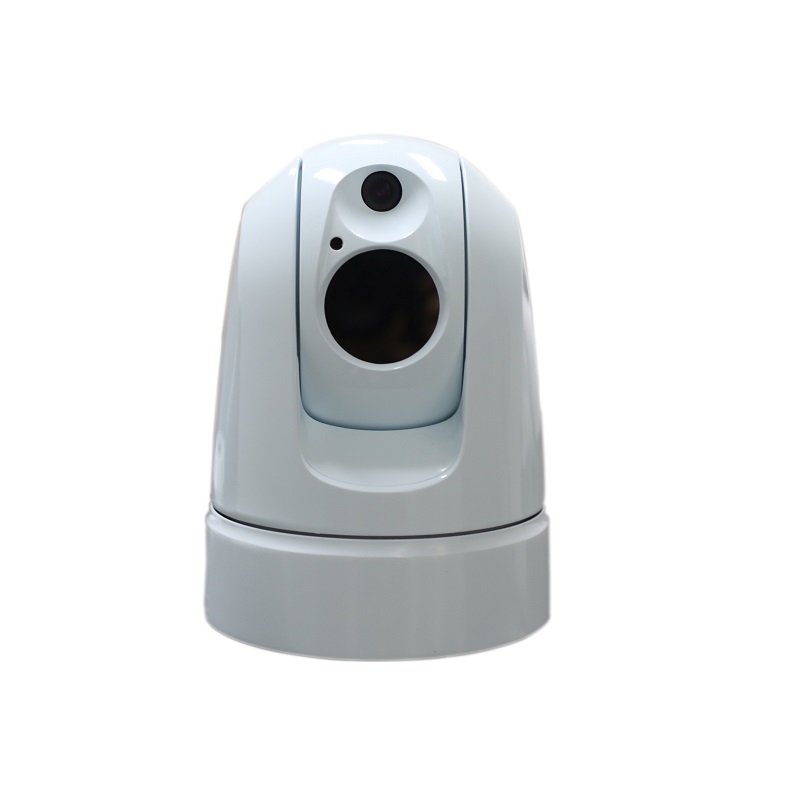
A dual payload Maritime PTZ Camera gives you both thermal and daylight imaging in one device. This combination lets you see clearly in total darkness, fog, or bright sunlight. You get a high-resolution thermal core, such as 640x480 or 384x288, paired with a 30x optical zoom daylight camera. Many models, like those from winsafecctv, use ruggedized aluminum housing with an IP67 rating to withstand harsh marine environments. You can control these cameras easily with a Marine Control Keyboard, making it simple to switch between thermal and visible modes or track targets. Some systems, like a Marine Thermal Imaging System, offer radar and video tracking for advanced navigation and security.
| Feature | Description |
|---|---|
| Thermal Core | 640x480/384x288 uncooled thermal core |
| Daylight Camera | 30x optical zoom, 2MP resolution |
| Build Material | Ruggedized aluminum, anti-corrosive, IP67 rated |
| Tracking Capabilities | Radar tracking, video tracking |
| Imaging Capability | 25hz/30hz continuous thermal imaging |
| Control Method | Marine Control Keyboard for easy operation |
| Zoom Capability | Up to 500x combined zoom |
| Image Modes | Monochrome and color for situational awareness |
Typical Uses
You can use a Maritime Dual PTZ Camera for many demanding tasks at sea. These cameras help you navigate safely in low visibility, monitor for security threats, and support search and rescue operations. The dual imaging system lets you spot obstacles, vessels, or people in the water, even at night or in fog. Law enforcement and commercial vessels rely on these cameras for perimeter security and incident documentation. The compact design and waterproof housing make them suitable for yachts, patrol boats, and large ships. Many users choose a Thermal PTZ Camera for outdoor monitoring and vessel protection.
| Application Area | Description |
|---|---|
| Navigation | Safe travel in darkness, fog, or harsh weather |
| Security | Detects intruders and monitors perimeters |
| Search & Rescue | Locates people or objects in the water at night |
| Law Enforcement | Supports patrols and evidence gathering |
| Commercial Use | Monitors cargo and vessel operations |
Tip: Dual payload cameras from brands like winsafecctv offer advanced features for marine professionals who need reliable performance in all conditions.
Who Should Choose Dual Payload
You should choose a dual payload Maritime PTZ Camera if you operate in challenging environments or need maximum situational awareness. This camera type fits large yachts, commercial ships, and patrol vessels that require both thermal and visible imaging. If you often navigate at night, in fog, or in busy ports, a Maritime Dual PTZ Camera gives you a clear advantage. You also benefit from advanced tracking and control features, especially when using a Marine Control Keyboard. If your operations demand the highest level of safety and security, or if you want to future-proof your vessel with a Marine Thermal Imaging System, dual payload is the right choice.
Pros and Cons Comparison
Single Payload: Pros & Cons
When you consider a single payload Maritime PTZ Camera, you gain several advantages. These cameras offer a straightforward setup and easy operation. You can expect lower costs, which helps if you have a limited budget. Maintenance stays simple because you only manage one imaging system. Most single payload models provide high-definition video and reliable performance for daily monitoring.
Pros:
- Lower purchase price and operating costs
- Simple installation and maintenance
- Compact and lightweight design
- Effective for basic navigation and security
Cons:
- No thermal imaging capability
- Limited performance in fog, darkness, or harsh weather
- Fewer advanced features for tracking or detection
Note: If you only need standard video monitoring and rarely face poor visibility, a single payload camera meets your needs.
Dual Payload: Pros & Cons
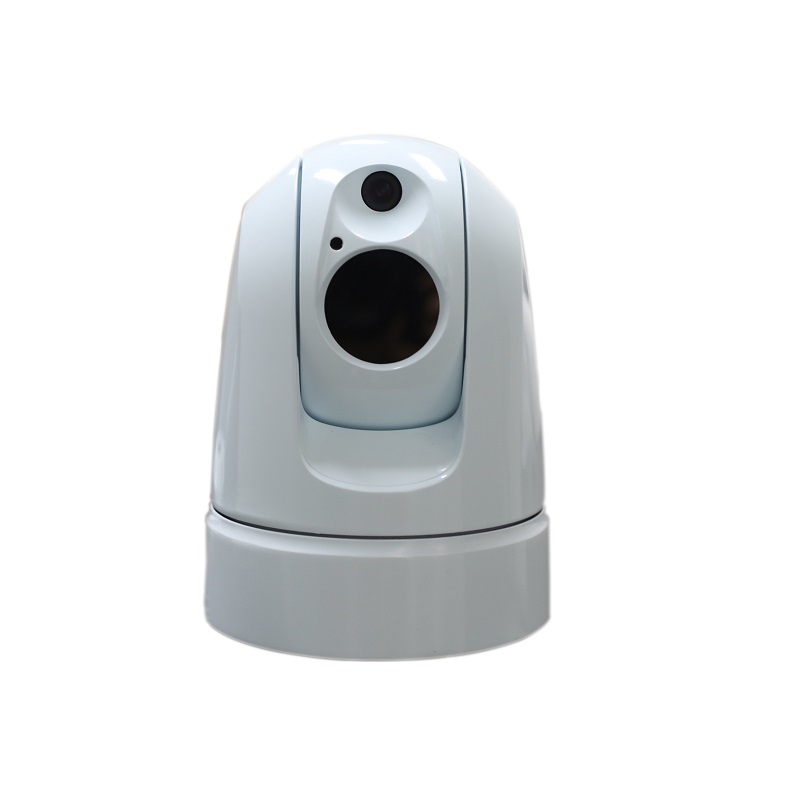
A dual payload camera, such as a Maritime Dual PTZ Camera, brings advanced features to your vessel. You get both visible and thermal imaging, which means you can see in total darkness or through fog. Many models, like those from winsafecctv, include a Marine Control Keyboard for easy operation. You can use a Thermal PTZ Camera for search and rescue or security tasks. Some systems, like a Marine Thermal Imagging System, add radar tracking for even more safety.
Pros:
- Combines daylight and thermal imaging for all-weather visibility
- Supports advanced tracking and detection
- Improves safety during night operations or emergencies
- Suitable for commercial, law enforcement, and large vessels
Cons:
- Higher initial cost and more complex installation
- Requires more training to operate advanced features
- Larger and heavier than single payload models
Tip: Choose a dual payload camera if you need maximum situational awareness and operate in challenging environments.
Side-by-Side Comparison Table
When you compare single and dual payload cameras, you see clear differences in features, performance, and value. The right choice depends on your vessel’s needs and your expectations for safety and visibility.
Below is a table that gives you a direct comparison between single and dual payload Maritime PTZ Cameras. This table covers the most important aspects, including imaging types, night vision, installation, and best use cases.
| Feature / Aspect | Single Payload Camera | Dual Payload Camera |
|---|---|---|
| Imaging Types | Optical only | Optical and Thermal |
| Night Vision | Infrared lamps, limited range | Thermal imaging, full darkness |
| Low-Light Performance | Limited | Enhanced |
| Dynamic Range | Standard | 128 times improvement |
| Surveillance Capability | Basic monitoring | Advanced detection and tracking |
| Installation Complexity | Varies | Easy plug and play |
| Cost | Lower | Higher |
| Size & Weight | Compact, lightweight | Larger, more robust |
| Best Use Cases | Small boats, basic security | Commercial ships, search & rescue |
| Example Brands/Models | Iris ATOM, FLIR M300C | winsafecctv, Thermal PTZ Camera |
If you operate in areas with frequent fog or darkness, you gain a major advantage with a dual payload camera. You get both optical and thermal imaging, which means you can spot hazards or people in the water even when you cannot see with your eyes alone.
You should choose a single payload camera if you want simple, reliable video for navigation and basic security. This option works well for small vessels and recreational use. You save on cost and keep installation easy.
You should choose a dual payload camera if you need maximum awareness and safety. These cameras, like the Maritime Dual PTZ Camera or models from winsafecctv, combine thermal and daylight imaging. You can control them with a Marine Control Keyboard and even add features like radar tracking with a Marine Thermal Imagging System. This setup fits commercial ships, patrol boats, and anyone who needs to operate in tough conditions.
Tip: Always match your camera choice to your vessel’s mission. Advanced features help you stay safe, but you should not pay for capabilities you will not use.
Choosing the Right Maritime PTZ Camera
By Vessel Type
Selecting the right camera depends on your vessel’s size and operational demands. You need a system that can handle harsh marine conditions, including saltwater, extreme temperatures, and constant vibration. Here are some recommendations for different vessel types:
- Small Boats: Choose compact and rugged cameras like the PSOS-3Z30-XI68. This model offers 4MP IP color imaging, advanced low-light performance, and high-resolution video. Its DNV GL Type Approval ensures reliability in tough environments.
- Yachts: Consider the Marine HD Camera or Marine One. Both provide full HD video, enhanced light sensitivity, and corrosion resistance. These cameras require minimal maintenance and deliver excellent outdoor surveillance.
- Commercial Ships: Opt for heavy-duty options such as Marine One Thermal or the PATC-F Series. These models combine day/night color imaging with thermal capabilities, making them ideal for all-weather surveillance and navigation. The PSOS-3Z30-XI68 also integrates seamlessly with other onboard systems, supporting complex operations.
Tip: Always select a camera that matches your vessel’s exposure to salt, temperature extremes, and vibration. This ensures long-term reliability and safety.
By Use Case
Your operational needs should guide your camera choice. Different scenarios require specific features:
- Navigation: Advanced cameras with AI and thermal imaging help you avoid collisions and navigate safely, even in darkness or fog. Models with radar tracking and digital stabilization, like the PATC-F Series, enhance situational awareness.
- Security: Real-time tracking and high-definition video are essential for monitoring unauthorized access. Cameras such as Marine One and Marine HD Camera provide robust surveillance for decks and perimeters.
- Night Operations: Traditional cameras struggle with “dark ships.” Dual payload models like Marine One Thermal offer both daylight and thermal imaging, ensuring visibility in total darkness.
- Search and Rescue: Rapid detection is critical. Cameras with AI and thermal sensors, such as the PATC-F Series, help you locate people or objects in the water quickly, improving rescue outcomes.
You can also use these cameras for vessel traffic monitoring and coastal surveillance. They help you manage fleet operations and identify illegal activities.
Budget & Upgrade Tips
When planning your investment, consider both initial costs and long-term value. The following table summarizes cost-effective strategies for upgrading your camera system:
| Camera Type | Cost Range | Maintenance Level | Benefits |
|---|---|---|---|
| PTZ Cameras | $800 to $2,500 | Medium | Reduces blind spots, improves incident response, saves time and resources. |
| Upgraded Systems | N/A | N/A | Enhances security, operational efficiency, and long-term cost savings. |
You can future-proof your investment by choosing cameras with AI integration and modular designs. These features let you adapt to new technologies and changing security needs. Modern systems often support multi-functionality, so you can customize and expand your setup as your requirements evolve.
Note: Look for cameras that offer modular upgrades and AI features. This approach helps you stay ahead of technological changes and ensures your system remains effective for years.
A Maritime PTZ Camera with advanced features and robust construction will serve you well, whether you operate a small boat or a commercial ship. By matching your choice to your vessel type, operational needs, and budget, you ensure reliable performance and safety at sea.
You should select a single payload camera for basic monitoring on small boats or yachts. Choose a Maritime Dual PTZ Camera or Thermal PTZ Camera for advanced surveillance on commercial ships or in harsh conditions. Review this checklist before making your decision:
- Corrosion resistance and weatherproof design
- Wide viewing angles and high resolution
- PTZ functionality for dynamic monitoring
- Reliable connectivity for remote access
- Motion detection and real-time alerts
Consult maritime technology experts for tailored advice. Consider your surveillance needs, budget, and future upgrades. Brands like winsafecctv offer robust options with Marine Control Keyboard and Marine Thermal Imagging System features.
FAQ
What is the main difference between a single and dual payload Maritime PTZ Camera?
You get only optical imaging with a single payload camera. A dual payload camera gives you both optical and thermal imaging. This means you can see in darkness, fog, or bright sunlight.
Do I need a Marine Control Keyboard for my camera system?
You should use a Marine Control Keyboard if you want easy camera control. It lets you switch between thermal and daylight views, zoom, and track targets quickly. This tool improves your response time on the water.
How does a Thermal PTZ Camera help in search and rescue?
A Thermal PTZ Camera detects heat signatures. You can spot people or objects in the water, even at night or in fog. This feature speeds up rescue operations and increases safety for your crew.
Are winsafecctv cameras suitable for harsh marine environments?
Yes. winsafecctv cameras use ruggedized aluminum and have IP67 ratings. You can trust them to resist corrosion, saltwater, and extreme weather. These cameras work well on commercial ships and patrol vessels.
Can I upgrade my system with a Marine Thermal Imagging System later?
You can upgrade most modern camera systems. Look for modular designs and compatibility with Marine Thermal Imagging Systems. This approach lets you add advanced features as your needs grow.



 +8613725587481
 sales@winsafecctv.com