



You need modern boating safety technology to sail safely through dark waters. Top 2026 picks like the FLIR M364C and Sionyx Nightwave transform night navigation by revealing hidden hazards. Standard marine thermal cameras detect faint heat signatures instantly. Thermal sensors spot unlit buoys, floating debris, kayakers, and people in total darkness.
These devices serve as crucial marine night vision tools. The FLIR M364C uses a thermal core with 30x optical zoom for precise target tracking. Sionyx Nightwave offers color digital vision across a wide 44 degree field of view. These cameras deliver reliable man overboard detection during a high stakes rescue. Equipping a marine thermal imagging system protects your boat from catastrophic night collisions.
Key Takeaways
-
Thermal imaging cameras detect heat signatures instantly to reveal hidden hazards in total darkness.
-
Optical zoom and gyro-stabilization keep target images sharp on rough, open waters.
-
Boaters can choose between fixed multi-sensor systems, low-light digital cameras, or portable handheld units.
-
Mounting thermal cameras at proper heights eliminates blind spots and improves long-range vision.
Core Features of a Marine Thermal Imaging System
Thermal Resolution and Optical Zoom
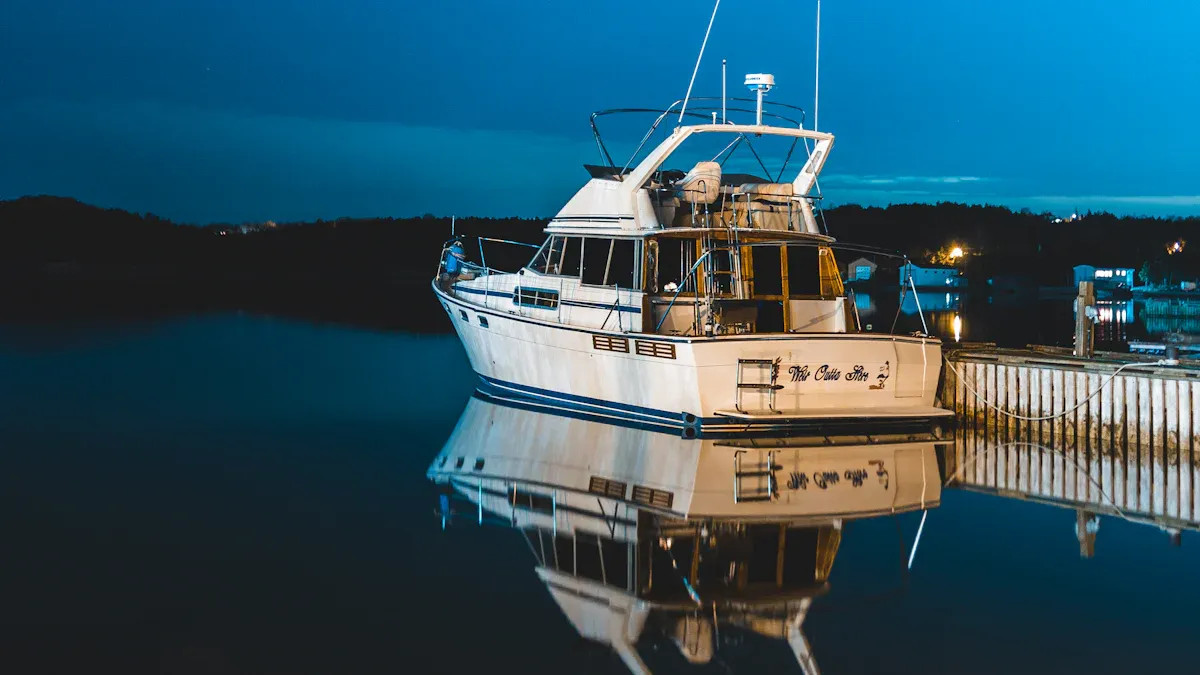
High-performance thermal imaging devices for boaters relies on heat energy instead of visible light. High thermal resolution captures subtle temperature differences between objects and surrounding water. This detection capability delivers real-time visibility through total darkness, glare, and light fog. You gain clear marine images when standard cameras fail completely. The high-sensitivity thermal sensor in the V1X system enables detection of a human at 2km+ and a 6m vessel at 6.5km+ in severe low visibility conditions.
Optical zoom extends your observation range without losing image sharpness. You can inspect distant hazards or small objects like floating debris before they threaten your boat.
|
Product Model |
Core Feature |
Specification |
Impact on Detection Range |
|---|---|---|---|
|
V7 System |
Optical Zoom |
20x optical zoom |
Enhances identification of small objects at long range |
|
V5 System |
Optical Zoom |
36x optical zoom |
Provides sharp magnification for distant target identification |
|
V1X System |
Thermal Sensitivity |
High-sensitivity sensor |
Detects a 6m vessel at 6.5km+ in total darkness |
Beyond navigation safety, you can use these devices to inspect critical engine room machinery. Temperature contrast reveals overheating equipment and failing bearings before major mechanical breakdowns occur at sea.
MFD Integration and Pan-Tilt Tracking
Integrating thermal imaging cameras with your multi-function display simplifies night operations. Sensor fusion overlays live thermal imagery directly onto maritime charts and radar displays.
-
Centralized Control: You control camera motion directly through a unified display interface.
-
Reduced Workload: Combined sensor data lowers cognitive stress during high-stakes night navigation.
-
Threat Assessment: You evaluate target data against radar inputs to identify hazards instantly.
Advanced pan-tilt tracking systems enhance your situational awareness while underway. Continuous 360° azimuth rotation provides full coverage around your vessel. Direct drive servo motors deliver maximum accuracy within 0.0006° for smooth tracking. Automated track modes follow up to 500 targets simultaneously to alert you to collision risks ahead. These motorized mounts keep a person overboard centered on screen during a critical rescue. Equipping a marine thermal imagging system protects your vessel from hidden obstacles.
Top Marine Thermal Imaging System Picks for 2026
FLIR M364C Dual Sensor System
You need reliable visibility during dark runs across open waters. The FLIR M364C Multispectral System sets the baseline for high resolution thermal technology. Its 640 x 512 VOx microbolometer core delivers superior target detection across long distances. This advanced dual-sensor setup combines thermal energy vision with a high-definition visible-light camera for maximum optical clarity.
You can spot a human sized target at 925 m in complete darkness. The camera identifies a 30-foot vessel at 3150 m away. Integrated gyro-stabilization eliminates pitch and roll movement on rough seas. Continuous 360-degree pan-tilt rotation provides active navigation safety by keeping dangerous obstacles centered on your primary display screen.
Teledyne FLIR M232 Compact Camera
The compact Teledyne FLIR M232 brings thermal imaging for boats to smaller sportfishing vessels. This unit features a 320 x 240 pixels resolution sensor with a 24° × 18° field of view. Its motorized base enhances situational awareness without adding heavy physical overhead on light hardtops.
You can connect this hardware directly using standard Video-over-Ethernet network cabling. The installation setup requires one 12V or 24V DC power cable alongside one high-speed Ethernet cable. Ethernet connections streamline digital data delivery straight to your onboard multifunction display. Modern chartplotters process live digital video feeds directly without requiring extra video converters. This direct integration ensures instant image streaming during fast maneuvers.
Fixed-mount vision tools restrict your view to a single forward angle. Motorized pan-tilt drive units let you sweep your optical line across all directions effortlessly. You monitor emerging hazards actively while maintaining safe boat speeds at night. Upgrading your marine thermal imagging system improves overall marine night vision capabilities. Exceptional thermal camera performance helps you protect your boat during challenging voyages. Modern thermal imaging cameras simplify dark runs across demanding waterways. Advanced marine thermal cameras transform low-light operation completely.
Budget Low-Light and Handheld Vision Picks
Sionyx Nightwave Ultra Low Light Camera
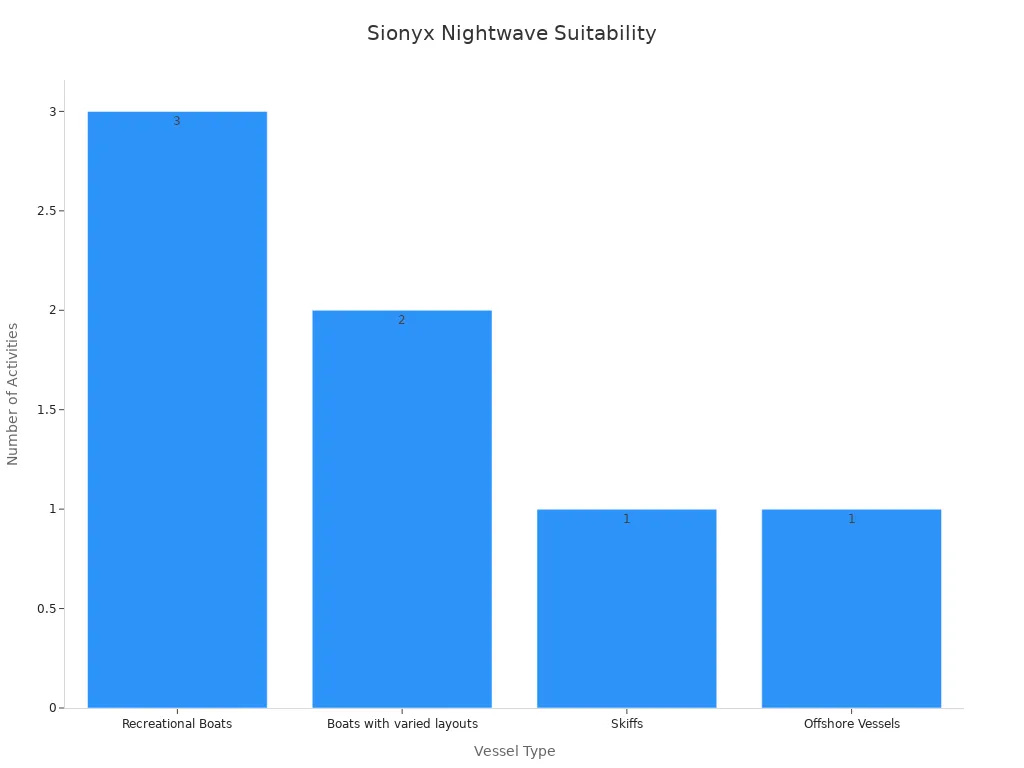
You can enhance situational awareness without buying expensive high-end thermal systems. The Sionyx Nightwave Ultra Low Light Camera uses a Black Silicon CMOS sensor to operate in moonless starlight under 0.001 lux. Digital low-light cameras deliver 1280x1024 video resolution to reveal key visible-spectrum details. High resolution helps you read colored navigation markers, track shoreline features, and recognize buoy numbers easily during dark runs.
This camera identifies human-sized targets at 300 m and spots an offshore marine vessel at 4.02 km. You can mount this IP67 water-resistant housing onto skiffs, bow positions, helm stations, or radar arches to navigate narrow waterways safely. Night hunting and evening navigation become much simpler with proper mounting. The unit streams video wirelessly to tablets or connects directly to multi-function displays using Power over Ethernet network cabling.
FLIR Ocean Scout Handheld Monocular
Handheld thermal devices give boat captains flexible observation options across different vessels. The FLIR Ocean Scout Handheld Monocular provides reliable thermal sensing up to 500 meters away with its 640 x 480 thermal detector. You scan surrounding dark water quickly from any deck location without relying on fixed electrical wiring. This portable device speeds up man overboard detection during a high-stakes night rescue operation.
An internal lithium battery powers the unit up to six hours on a single charge. You recharge the battery conveniently using standard USB-C cables or portable powerbanks during long ocean voyages. Rugged IP67 weather sealing and a 2-meter drop rating protect internal thermal optics against harsh salt spray and severe impact damage. Compact cameras give boaters essential thermal imaging for boaters looking to secure affordable night boating equipment. Equipping flexible marine night vision tools helps your crew maintain clear visibility around dangerous unlit hazards.
High-End Systems for Large Vessels
Large vessels need powerful target detection capability during deep ocean passages. You gain optimal visibility across long distances with the FLIR M500 multi-sensor thermal imaging for boats. This flagship hardware combines a cooled thermal sensor with a high-definition visible camera to track distant hazards in total darkness. Captains rely on this search and rescue tech to navigate narrow channels safely during night operations.
|
Category |
Specification |
|---|---|
|
Thermal Sensor |
Cooled MWIR InSb 640x512; Optical Zoom: 1x-14x; Digital Zoom: 4x |
|
Visible Camera |
1920x1080 @30fps; Min Illumination: 0.006 lux; Optical Zoom: 30x |
|
Pan/Tilt Range |
360° Continuous Pan; ±90° Tilt; 2-Axis Gyro Stabilized |
|
Spotlight |
Integrated LED; 580 Lumens; 5° divergence angle |
You can link this thermal system directly to your Garmin Fantom radar or networked CCTV setup. The primary thermal camera aligns with radar targets automatically to confirm dangerous obstacles instantly.
Seamless integration with radar, tracking systems, and networked CCTV enables smart object detection and early alerts—essential for maintaining a secure, private environment onboard.
Raymarine FLIR M300 Gyro-Stabilized Camera
You achieve maximum situational awareness in rough seas using the Raymarine FLIR M300 series. This system uses advanced 2-axis mechanical gyro stabilization to eliminate screen distortion from pitching waves. The horizontal stabilization keeps your optical field of view locked onto targets during sudden heading changes. You complete a critical man overboard rescue faster when your marine display maintains steady imagery.
-
Marine Video Analytics intelligently identifies non-water objects ahead.
-
Solid-state rate gyro sensors adjust pan and tilt automatically.
-
Continuous 360° pan and +/-90° tilt cover every angle around night vessels.
These stabilized thermal imaging cameras assist emergency teams during high-stakes marine firefighting efforts. Captains stay locked on a fire scene without losing camera focus during heavy sea roll. Equipping these thermal optics protects your crew, passenger deck, and valuable hull structure during night voyages.
Vessel Installation and System Integration
Mounting Heights and Blind Spot Elimination
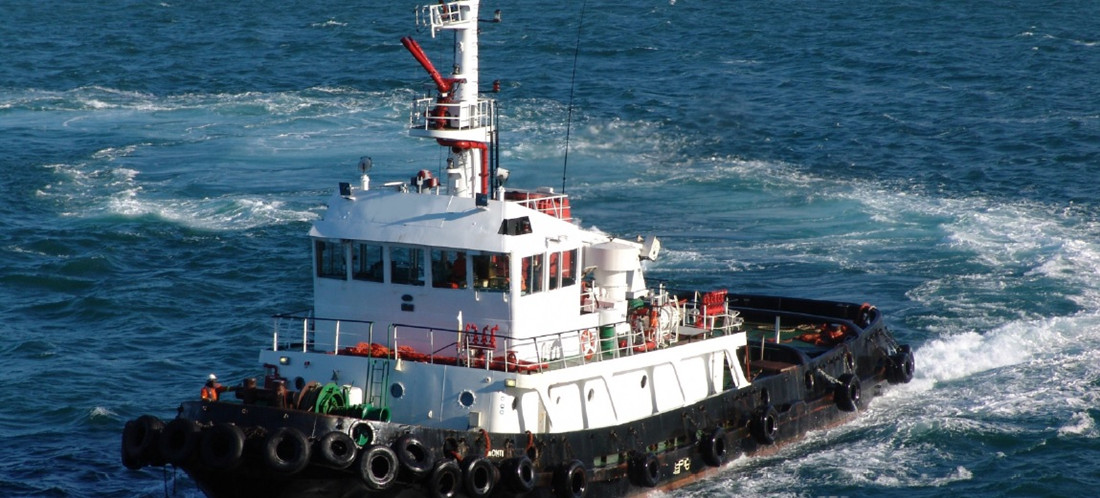
Proper hardware placement maximizes the range of your thermal vision setup. You should mount your camera at a minimum height of 4 meters (13 feet) above the waterline. This elevated position creates a steep look-down angle. The sharp downward angle eliminates the bright sky from the field of view. Sky interference degrades image contrast during night runs. Bow mounting offers the clearest forward view. Hardtop or radar arch locations maximize long-range detection while keeping equipment safe from heavy ocean spray.
-
Mount cameras at least 4 meters high with a steep downward angle.
-
Place thermal sensors parallel to the deck perimeter to monitor vessel boundaries.
-
Overlap fields of view across multiple cameras to eliminate blind spots.
-
Reinforce thin mounting surfaces to reduce hull vibration and screen distortion.
MFD Network Configuration and Wiring
Connecting a marine thermal imagging system to your multi-function display requires systematic network configuration. You begin by linking the camera network cable directly to a laptop. Access the camera web control page through a web browser to configure internal parameters. You must assign a dedicated static IP address to the camera during this initial setup phase. Disconnect the laptop after saving these network settings.
You then plug the ethernet cable into your Raymarine SeaTalkHS switch. This switch distributes digital thermal video across your marine network electronics. You should protect every external cable run using IP67-rated waterproof connectors and protective conduit.
Network Configuration Step: Assign the static IP address to your thermal camera via a browser before connecting the ethernet cable to your onboard network switch.
Your chartplotter processes live thermal video automatically once connected. Modern navigation systems allow full control through touchscreens or dedicated joystick units. Proper installation protects your electronic investments and improves night safety for all vessels in dark waters.
Choosing the right vision setup depends on your specific vessel size and night navigation habits. Long-distance ocean cruisers need stabilized dual-sensor units like the FLIR M364C. Small coastal skiffs benefit from compact cameras or portable handheld monoculars. Installing a marine thermal imagging system guarantees maximum visibility during dark runs across open waters. High-resolution thermal optics expose hidden hazard points instantly in complete darkness.
You protect your crew by investing in modern boating safety solutions today. Evaluate your onboard navigation technology before your next offshore trip. Schedule a complete safety upgrade with modern thermal gear to prevent catastrophic collisions during dark journeys.
FAQ
How does thermal technology assist during a man overboard rescue?
Thermal sensors spot heat signatures against cold water instantly. You locate victims faster in darkness, improving rescue outcomes significantly. Reliable man overboard detection helps your crew locate submerged individuals during emergency operations.
What makes thermal optics superior to standard marine night vision?
Standard low-light gear amplifies available ambient light. Thermal optics measure heat differentials without needing moonlight. You spot unlit hazards through fog, haze, and total night darkness effortlessly.
Can thermal equipment operate effectively during daylight hours?
Yes, thermal imaging sensors work continuously in sunlight. You spot floating logs, navigate narrow channels, and locate small skiffs against heavy glare. Heat energy remains visible regardless of direct sunlight.
How does target detection improve navigation during night passages?
Specialized sensors reveal unlit buoys, kayaks, and floating debris ahead. High-resolution target detection alerts you to hidden obstacles before radar picks up faint signatures. You maintain clear situational awareness during dark offshore trips.



 +8613725587481
 sales@winsafecctv.com