


You will find a thermal PTZ camera can serve as a powerful tool for surveillance in challenging environments. These cameras help you detect hidden threats, avoid glare or shadows, and offer customizable alarms that support quick response. You benefit from energy efficiency and seamless integration with larger security systems. However, you must consider potential blind spots, since these cameras only capture what they focus on at any moment. Assess your site and requirements carefully to balance these strengths and limitations.
Key Takeaways
-
Thermal PTZ cameras excel in low-light and harsh weather conditions, providing reliable surveillance when traditional cameras fail.
-
These cameras offer advanced features like pan-tilt-zoom control and heat signature detection, enhancing monitoring capabilities across large areas.
-
While thermal PTZ cameras reduce false alarms by focusing on heat rather than motion, they may struggle with fine detail identification.
-
Consider the higher initial costs and potential integration challenges when choosing thermal PTZ cameras for your security needs.
-
Combining thermal PTZ cameras with fixed cameras can minimize blind spots and ensure comprehensive coverage.
What is a Thermal PTZ Camera?
Key Features
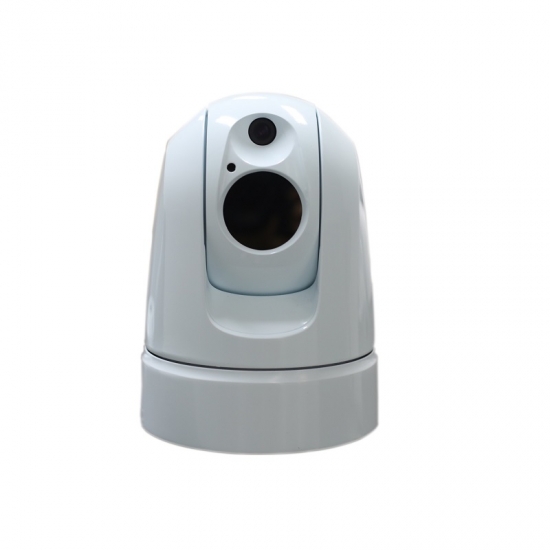
A thermal PTZ camera combines advanced technologies to deliver versatile surveillance capabilities. At its core, it includes pan-tilt control, which lets you rotate the camera 360° horizontally and tilt it vertically from -90° to +90°. This flexibility allows you to monitor wide areas without blind spots. The camera also features high-precision zoom, enabling you to focus on distant objects with clarity. Thermal imaging technology plays a crucial role by detecting heat signatures, making the camera effective in total darkness or harsh weather. Many models include intelligent functions like automatic tracking and alarm systems, which help you respond quickly to potential threats.
Here is a quick overview of the main components:
-
Pan-Tilt Control: Enables comprehensive horizontal and vertical movement.
-
Zoom Capabilities: Offers dual-spectrum zoom for both visible light and thermal imaging.
-
Thermal Imaging Technology: Uses sensitive detectors to capture heat patterns.
-
Intelligent Features: Includes automatic tracking and alarms for enhanced security.
How Thermal Imaging Works
Thermal imaging detects infrared radiation, a form of heat emitted by all objects. Unlike traditional cameras that rely on visible light, thermal cameras convert this infrared energy into visual images. These images display temperature differences, allowing you to see heat patterns even in complete darkness or through smoke and fog. This ability makes thermal imaging invaluable for surveillance, as it reveals hidden objects or people based on their heat signatures rather than relying on ambient light.
PTZ Functionality
The pan-tilt-zoom (PTZ) feature significantly improves your surveillance coverage and flexibility. You can pan the camera to scan large areas horizontally, tilt it to adjust vertical viewing angles, and zoom in to examine details closely. This real-time control helps you track moving targets effectively and respond to dynamic situations. PTZ systems often integrate with intelligent video analytics, improving identification accuracy. When combined with thermal imaging, PTZ cameras provide reliable monitoring in environments where traditional cameras might fail.
Note: Some thermal PTZ cameras offer dual imaging capabilities, combining visible light and thermal sensors. This feature gives you the best of both worlds—clear visual details and heat-based detection.
Thermal PTZ Camera Advantages
Night Vision and Low-Light Performance
Thermal PTZ cameras excel in night vision and low-light surveillance. Unlike traditional security cameras that depend on ambient light, these cameras use infrared technology to detect heat signatures. This capability allows you to monitor areas in complete darkness, fog, or smoke without losing clarity. You can identify intruders hiding in shadows or dense foliage, which visible-light cameras often miss. The infrared thermal imaging technology works independently of light sources, making it ideal for long-range and extreme environment surveillance.
Key benefits include:
-
Operates effectively day and night without additional lighting.
-
Detects body heat, revealing hidden threats in total darkness.
-
Provides high-contrast images that enhance video analytics and target recognition.
Extreme Weather Reliability
Thermal PTZ cameras maintain performance in harsh weather conditions where standard cameras struggle. They rely on infrared radiation to create images, allowing you to see through fog, smoke, rain, and dust. This makes them invaluable for outdoor surveillance in unpredictable climates. Additionally, these cameras often feature rugged designs with high durability ratings, enabling them to function reliably across wide temperature ranges. You can trust these devices to deliver consistent monitoring even in extreme cold or heat.
Advantages include:
-
Infrared imaging penetrates obscurants that block visible light.
-
Durable construction withstands severe environmental conditions.
-
Reliable operation ensures continuous security coverage regardless of weather.
Heat Signature Detection
One of the most significant benefits of ptz cameras with thermal imaging lies in their ability to detect heat signatures at impressive distances. This feature allows you to spot humans, animals, and vehicles based on their emitted infrared radiation. For example, industrial-grade thermal imaging cameras can detect targets hundreds of meters to several kilometers away. Some advanced models, like Raythink’s PC4 dual-spectrum thermal ptz camera, identify humans at 4.2 kilometers and vehicles at 12.8 kilometers. This long-range detection capability supports perimeter defense and early threat identification.
|
Device Type |
Typical Detection Range |
Applications |
|---|---|---|
|
Consumer-Grade Thermal Camera |
Tens to hundreds of meters |
Home inspections, appliance diagnostics, outdoor exploration |
|
Industrial-Grade Thermal Imaging Camera |
Hundreds of meters to tens of kilometers |
Perimeter security, forest fire prevention, wildlife research |
Dual Imaging Versatility
Many thermal PTZ cameras combine infrared and visible-light sensors, offering dual imaging capabilities. This combination provides you with the benefits of both thermal detection and clear visual details. You can switch between thermal and optical views or overlay them for enhanced situational awareness. This versatility improves identification accuracy and helps confirm threats before triggering alarms. Dual imaging also supports better evidence collection, as you capture both heat signatures and recognizable images.
Benefits of dual imaging include:
-
Enhanced target verification through combined thermal and visual data.
-
Improved situational awareness in diverse lighting conditions.
-
Greater flexibility for various surveillance scenarios.
Reduced False Alarms
Thermal PTZ cameras help reduce false alarms significantly compared to conventional security cameras. They detect heat signatures rather than relying on motion or light changes, which often trigger false alerts. Thermal imaging ignores irrelevant stimuli such as shadows, reflections, or moving foliage. Combining thermal cameras with radar or intelligent analytics further increases detection accuracy and lowers false alarm rates. This reduction saves time and resources by focusing your attention on real threats.
|
Source |
Evidence |
|---|---|
|
FLIR |
Combining thermal cameras with radar increases detection probability and reduces false alarms. |
|
Sunell Security |
Thermal imaging ignores non-threatening stimuli like shadows and reflections, leading to lower false alarm rates. |
|
Hillary Kiprono’s Post |
Thermal signatures confirm the presence of real threats, reducing false alarms. |
Note: While thermal PTZ cameras offer many benefits, keep in mind the downside of potential blind spots during pan-tilt-zoom movements. Careful system design can mitigate this issue.
Thermal PTZ Camera Disadvantages
High Cost
You will notice that the initial investment for a thermal PTZ camera is significantly higher than for standard surveillance equipment. The advanced sensors, rugged construction, and intelligent features drive up the price. You must also consider ongoing costs, such as specialized maintenance and potential software updates. For many organizations, this high cost can become a barrier, especially when deploying multiple units across a large site.
-
Upfront purchase price exceeds that of visible-light cameras.
-
Maintenance and calibration require specialized skills.
-
Budget constraints may limit the number of cameras you can install.
Limited Detail and Identification
Thermal imaging technology excels at detecting heat signatures, but it cannot capture fine details. You will find it difficult to identify specific features, such as a person’s clothing color or a vehicle’s license plate. This limitation can hinder investigations that require positive identification.
-
Visible-light cameras allow you to recognize clothing color and vehicle make, which is essential for detailed identification.
-
Thermal cameras help you detect shapes and potential threats in challenging conditions, but they struggle with individual identification.
-
For tasks that demand performance in low-light or adverse weather, thermal imaging reduces false alarms but sacrifices detail.
Blind Spots from PTZ Movement
A primary downside of ptz cameras is the potential for blind spots during operation. When you pan, tilt, or zoom the camera to focus on a specific area, other regions remain unmonitored. This creates windows of vulnerability that intruders can exploit.
-
Wide-area monitoring becomes challenging, as the camera only observes one direction at a time.
-
Fixed cameras often leave blind spots in large spaces, but ptz camera models can miss activity while repositioning.
-
Tracking moving targets in complex environments can be difficult, leading to target loss.
Tip: You can reduce blind spots by integrating thermal PTZ cameras with fixed cameras for comprehensive coverage.
Material Limitations (Water, Glass)
Thermal imaging cannot penetrate certain materials, which impacts surveillance effectiveness. You will encounter issues when monitoring through glass or water, as these substances block or distort infrared radiation.
|
Limitation |
Description |
|---|---|
|
Cannot see through glass |
Glass reflects and absorbs long-wave infrared (LWIR) radiation. |
|
Obscured by water |
Water can obscure thermal signatures, hindering detection. |
You should avoid placing thermal PTZ cameras behind windows or in areas where water may obstruct the field of view.
Integration Challenges
Integrating a thermal PTZ camera into an existing security system can present challenges. Compatibility issues may arise with legacy hardware or software platforms. You may need to invest in additional infrastructure or specialized training for your team.
-
Integration with older systems may require custom solutions.
-
Staff must learn to interpret thermal images and manage advanced features.
-
Upgrades and ongoing support can increase operational complexity.
Note: Careful planning and consultation with experienced professionals can help you overcome these integration challenges.
Comparison with Traditional Cameras
Visual vs. Thermal Imaging
You will notice that thermal PTZ cameras differ significantly from traditional visible-light security cameras. Thermal cameras detect heat radiation, allowing you to monitor areas regardless of lighting conditions. They function independently of visible light, so you can rely on them during nighttime or in complete darkness without additional illumination. Traditional cameras depend on ambient light or artificial sources, which limits their effectiveness in low-light or no-light environments. While visible-light cameras capture detailed images with colors and textures, thermal cameras focus on temperature differences, which helps you detect hidden threats early rather than just collecting evidence after an incident.
Performance in Different Conditions
Thermal PTZ cameras outperform traditional cameras in challenging weather and environmental conditions. Fog, smoke, light rain, and dust often obscure visible-light cameras, causing blurred or blocked views. Thermal imaging uses long-wave infrared radiation, which penetrates these obscurants better than visible light. This ability allows you to maintain reliable surveillance when traditional cameras fail. You can trust thermal cameras to deliver consistent detection through fog or smoke and in total darkness. This makes them ideal for monitoring large areas where weather conditions frequently change.
Thermal imaging remains effective in complete darkness and through atmospheric obscurants, ensuring continuous security camera operation when visible-light systems struggle.
Application Scenarios
You should consider thermal PTZ cameras for scenarios where lighting is poor or weather conditions are harsh. They excel in perimeter security, border monitoring, and critical infrastructure protection. Their ability to detect heat signatures makes them valuable for covert surveillance and early threat detection. Here are some common use cases where thermal cameras outperform traditional ones:
-
Reliable identification in darkness
-
Effective operation in harsh weather
-
Detection based on heat radiation, not visible light
You can also combine thermal PTZ cameras with fixed cameras to cover blind spots and enhance overall surveillance. This combination of PTZ and fixed cameras provides comprehensive monitoring, balancing detailed visual information with thermal detection. Using both types together helps you achieve better security outcomes across diverse environments.
Choosing a Thermal PTZ Camera
Cost-Benefit Analysis
When you evaluate a thermal PTZ camera, you should weigh both the upfront investment and the long-term value. The initial cost may seem high, but the benefits often justify the expense, especially for critical applications. These cameras offer versatility for perimeter protection and critical infrastructure. Integration with your existing systems can improve operational efficiency and reduce the need for additional equipment.
|
Factor |
Description |
|---|---|
|
Thermal Imaging and Image Quality |
Essential for detecting objects in low visibility conditions. |
|
Field of View and Lens Options |
Determines the area covered and the detail captured by the camera. |
|
Video Analytics Integration |
Enhances surveillance capabilities through automated analysis. |
|
Ruggedized Design |
Ensures durability in various environmental conditions. |
|
Compliance and Compatibility |
Important for integration with existing security systems. |
|
Overall Cost-Effectiveness |
Evaluates the camera's value compared to other security measures. |
Tip: Consider how the camera’s features align with your security goals and whether the long-term savings outweigh the initial investment.
Installation and Maintenance
Proper installation ensures you get the most from your pan-tilt-zoom camera. Position the camera at the right height and angle to maximize coverage. Avoid obstructions in the field of view and do not place the camera facing direct light sources. For outdoor use, select weatherproof enclosures and secure mounting to prevent tampering. You should perform regular inspections, clean the lens, and keep firmware updated. Always check power and connectivity to maintain reliable operation.
Best Use Cases
Thermal PTZ cameras excel in demanding environments. You can use them for:
-
Perimeter security at sensitive sites
-
Border surveillance and illegal crossing detection
-
Wildlife monitoring and research
-
Search and rescue in low-visibility conditions
-
Maritime and port security
-
Industrial facility monitoring
-
Fire detection and early warning
-
Traffic management and accident identification
These cameras also support event security, military operations, and smart city initiatives.
Privacy and Legal Factors
You must comply with privacy laws and regulations when deploying surveillance solutions. Familiarize yourself with local rules regarding thermal camera usage. Implement masking techniques to protect personal data and conduct a legal review before installation. Establish clear policies for surveillance use and obtain necessary consents from stakeholders.
Note: Responsible use of thermal PTZ cameras protects both your organization and the privacy of individuals.
You gain powerful advantages with thermal PTZ cameras, such as enhanced visibility in darkness and early detection of heat anomalies. However, you must also consider higher costs and lower image resolution. The table below highlights the main points:
|
Pros |
Cons |
|---|---|
|
Enhanced visibility in darkness |
Higher cost |
|
Ability to see through obstructions |
Lower image resolution |
|
Early detection of heat anomalies |
Limited color information |
|
Superior security monitoring |
Complex installation and use |
You should evaluate these factors carefully for your surveillance system. Informed choices help you achieve reliable surveillance tailored to your needs. Consider consulting experts or researching new technologies for optimal results.
FAQ
What environments benefit most from thermal PTZ cameras?
You gain the most value in areas with low light, heavy fog, or extreme weather. These cameras excel in perimeter security, border monitoring, and critical infrastructure protection.
Can thermal PTZ cameras identify people or vehicles?
You can detect people and vehicles by their heat signatures. However, you cannot capture fine details like facial recognition and license plate tags. Use these cameras for detection, not for positive identification.
How do you reduce blind spots with PTZ cameras?
You should combine thermal PTZ cameras with fixed cameras. This approach ensures continuous coverage and minimizes unmonitored areas during pan, tilt, or zoom movements.
Are thermal PTZ cameras difficult to install?
You may find installation more complex than standard cameras. Proper placement, secure mounting, and integration with existing systems require careful planning and technical expertise.
Do thermal PTZ cameras work through glass?
You cannot use thermal PTZ cameras through glass. Glass blocks infrared radiation, which prevents the camera from detecting heat signatures accurately.



 +8613725587481
 sales@winsafecctv.com