


You want to find the best thermal ptz camera for your security needs. Choosing the right camera means matching its features to your environment and specific challenges. Many industries rely on thermal cameras for tasks like perimeter security, border surveillance, wildlife monitoring, search and rescue, and fire detection. As you read, think about what you need to protect and which threats concern you most. Consider how a ptz camera can address your unique goals and deliver reliable performance.
Key Takeaways
-
Assess your environment before choosing a thermal PTZ camera. Different settings require different features for effective surveillance.
-
Match the camera's resolution and sensitivity to your monitoring needs. Higher resolutions provide better detail, especially in low visibility.
-
Consider the camera's weather resistance and durability. Look for high IP and IK ratings to ensure it withstands harsh conditions.
-
Set clear monitoring goals based on your security needs. This helps you select a camera that effectively addresses specific threats.
-
Plan your budget wisely. Balance initial costs with long-term maintenance to ensure you get the best value from your thermal PTZ camera.
Assessing Your Security Needs
Environment and Application Field
You need to start by examining the environment where you plan to install a thermal ptz camera. Different application fields, such as perimeter security, infrastructure protection, and residential areas, require unique solutions. For example, a perimeter around a factory faces different challenges than a small business or a home. You must consider how fog, smoke, or dust might affect your surveillance. Thermal cameras can operate effectively in these conditions, making them ideal for outdoor perimeter monitoring.
Take a look at the environmental factors that impact thermal camera performance:
|
Environmental Factor |
Impact on Thermal Camera Performance |
|---|---|
|
Absorption |
Reduces thermal radiation reaching the camera, affecting detection range. |
|
Scattering |
Disperses thermal radiation, significantly impacting image quality. |
|
Water Vapor |
Absorbs heat, affecting image quality even in clear weather. |
|
Atmospheric Particles |
Causes scattering, leading to loss of thermal energy in fog or haze. |
-
Thermal cameras are less affected by weather conditions compared to visible-light cameras.
-
You can rely on thermal surveillance for perimeter monitoring in challenging environments.
When you select a ptz camera, match its features to your application field. Perimeter surveillance at a power plant needs long-range detection. Residential perimeter monitoring may require a compact camera with basic thermal imaging.
Threat Level and Monitoring Goals
You must assess the threat level in your environment. High-risk areas, such as borders or critical infrastructure, demand advanced thermal ptz camera features. In these situations, you need real-time threat detection, long-range perimeter surveillance, and video analytics. These features help you respond quickly to potential threats and maintain security.
Set clear monitoring goals. Decide if you want to detect intruders, monitor wildlife, or protect assets. Your goals shape the type of thermal camera you choose. For perimeter security, you need a camera that delivers reliable thermal imaging and covers the entire perimeter. For less demanding environments, you can select a ptz camera with basic thermal capabilities.
Tip: Always align your camera choice with the specific perimeter and threat level you face. This ensures your surveillance system meets your security needs.
Key Features of a Thermal PTZ Camera
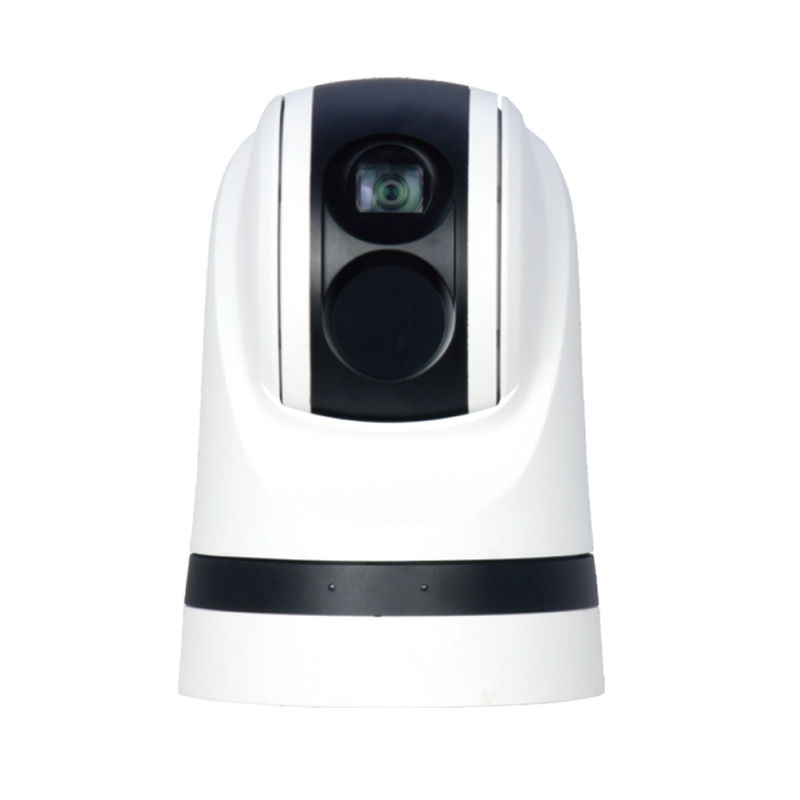
When you choose a thermal ptz camera, you need to understand the features that determine its effectiveness. Each feature plays a role in how well the camera performs in real-world surveillance and video monitoring. Let’s break down the most important aspects you should consider.
Sensor Resolution and Sensitivity
You should pay close attention to sensor resolution and sensitivity. These two factors decide how much detail your thermal ptz camera can capture, especially at night or in low-visibility conditions.
-
Common sensor resolutions include 160x120, 256x192, 384x288, 640x480, and 1024x768 pixels.
-
A 384x288 sensor can detect a person at about 500 meters. A 640x480 sensor extends this range to nearly 800 meters.
-
Higher resolutions cost more but provide better detail. For perimeter surveillance, 384x288 works well. For critical infrastructure, 640x480 is ideal. For long-range applications, 1024x768 is best.
Sensitivity, measured as NETD (Noise Equivalent Temperature Difference), affects how well the camera detects small temperature changes. Lower NETD values mean better performance, especially in rain or fog.
|
NETD Value |
Impact on Detection Range and Accuracy |
|---|---|
|
<30 mK |
Maintains stable image during rain, better detection and classification |
|
<50 mK |
Lower detection range, grainer image, more nuisance alarms |
|
<60 mK |
Acceptable but less clarity, impacts performance of analytics |
Tip: Choose a thermal ptz camera with a resolution and sensitivity that matches your monitoring distance and environmental challenges.
Temperature Range and Optics
The temperature range and optics of your thermal ptz camera affect how well it works in different environments. Cooled cameras operate in the 3-5 micron range and offer high sensitivity for long-range imaging. These require special cooling systems. Uncooled cameras are easier to use but less sensitive.
|
Camera Type |
Temperature Range |
Usability Implications |
|---|---|---|
|
Cooled |
3-5 microns |
High sensitivity for long-range imaging, requires cryogenic cooling for optimal performance |
|
Uncooled |
Not specified |
Generally easier to use, but less sensitive than cooled systems |
Optics also matter. Motorized varifocal lenses let you scan large areas and zoom in for detail—some offer up to 40X optical zoom. IR-corrected lenses ensure sharp focus for both day and night use, preventing image distortion. Weather-proof designs and specialized coatings protect the lens from harsh conditions.
|
Lens Feature |
Impact on Performance |
|---|---|
|
Weather-proof Design |
Withstands extreme temperatures, heavy rain, snow, fog, and dust. |
|
Advanced Thermal Imaging |
Ensures high-definition images in low-visibility conditions. |
|
Specialized Coatings |
Protects lenses from environmental damage. |
Image Quality and Thermal Imaging
Image quality in thermal imaging cameras depends on several metrics. You want a camera that delivers clear, detailed images for accurate surveillance.
|
Metric |
Description |
|---|---|
|
Infrared Resolution |
Number of effective pixels in the infrared detector, impacting clarity and detail. Higher resolution means more temperature points captured. |
|
Spatial Resolution (IFOV) |
Smallest distance between distinguishable objects, affecting image detail. Higher spatial resolution means finer details. |
|
Thermal Sensitivity (NETD) |
Smallest temperature difference detectable. Lower NETD values give higher image contrast and detail, especially in low-contrast environments. |
|
Field of View (FOV) |
Angular extent of the observable scene. Wider FOV covers more area but reduces pixel density; narrower FOV increases resolution and detail. |
|
Frame Rate |
Frames per second. Higher frame rates provide smoother video and better capture of fast-moving targets, reducing motion blur. |
Thermal imaging technology detects infrared radiation and creates a heat map. This allows you to see in complete darkness, through smoke, fog, or dust. Unlike traditional cameras, thermal imaging cameras do not depend on visible light. You can rely on them for night surveillance and challenging environments.
Zoom Range and Connectivity
A thermal ptz camera with a strong zoom range gives you flexibility in surveillance. Optical zoom uses the camera’s lenses to magnify the image without losing quality. Digital zoom enlarges the image but can reduce clarity.
-
Optical zoom provides high-quality close-ups for identifying targets at a distance.
-
Digital zoom helps when you need extra magnification, but image quality may drop.
Connectivity options, such as network ports and wireless features, allow you to integrate the ptz camera into your security surveillance system. Reliable connectivity ensures you can access live feeds and control the camera remotely, which is essential for large sites or remote video monitoring.
Data Storage and Portability
You need to consider how your thermal imaging ptz camera stores footage. The right storage solution depends on your deployment and security needs.
|
Storage Type |
Advantages |
Considerations |
|---|---|---|
|
Local Storage |
Cost-effective, easy to implement, suitable for small systems |
Limited write cycles, potential wear over time |
|
Centralized Storage |
Enhanced stability, large capacity, RAID protection |
More complex setup, higher initial costs |
|
Cloud Storage |
Remote access, automatic backups, off-site data security |
Ongoing costs, dependent on internet speed |
Portability is another key feature. A portable camera is easy to move and set up in different locations. This flexibility is valuable for temporary events, mobile surveillance, or changing security needs.
|
Feature |
Description |
|---|---|
|
Lightweight construction |
Ensures easy transport and relocation of the camera. |
|
Quick mounting solutions |
Allows for rapid setup in various locations. |
|
Vehicle-compatible designs |
Facilitates mobile surveillance in dynamic environments. |
Note: Portability allows you to adapt your video monitoring quickly, which is ideal for temporary deployments or frequent travel.
Weather Resistance and Durability
Outdoor thermal ptz cameras must withstand harsh weather and physical impacts. Look for high IP and IK ratings to ensure durability.
|
IP Rating |
Description |
|---|---|
|
IP65 |
Dust-tight, protected against water jets |
|
IP66 |
Dust-tight, protected against powerful water jets |
|
IP67 |
Dust-tight, protected against temporary immersion |
|
IP68 |
Dust-tight, protected against continuous submersion |
|
IK Rating |
Description |
|---|---|
|
IK10 |
Can withstand a 20-joule impact |
|
IK08 |
Minimum recommended for public or industrial areas |
An IP66 rating is ideal for outdoor business security cameras. It can handle heavy rain, snow, and even power washing. For areas with hurricanes, heavy snowfall, or floods, IP66 or IP67 ratings offer better protection.
Cameras built with high-quality materials last longer and require less maintenance. This durability reduces long-term costs and ensures your thermal ptz camera continues to deliver reliable surveillance, even in demanding environments.
Remember: Investing in a durable thermal ptz camera pays off by lowering repair costs and extending the camera’s lifespan.
Matching PTZ Camera Types to Uses
Perimeter and Outdoor Security
You need a ptz camera that delivers reliable thermal imaging for perimeter protection in outdoor environments. These cameras operate in complete darkness, so you can monitor your property at night without extra lighting. Thermal ptz cameras perform well in fog, smoke, and rain, which makes them ideal for perimeter protection in harsh weather. You can spot intruders from 300 to 900 feet away, making these cameras perfect for large perimeters. Thermal imaging reduces false alarms by focusing on heat signatures instead of movement or light changes.
-
Operate in complete darkness for night surveillance
-
Consistent performance in extreme weather
-
Extended detection range for perimeter protection
-
Reduced false alarms for more accurate security surveillance
Critical Infrastructure Protection
For critical infrastructure, you need a long range ptz camera with advanced thermal imaging. These cameras provide perimeter protection for power plants, airports, and data centers. You can use thermal imaging to detect threats at night and during the day. A long range ptz camera covers wide areas, so you can monitor multiple zones with one device. Automated patrols and video monitoring help you respond quickly to incidents. You should choose a ptz camera with high thermal sensitivity and strong zoom capability for the best results.
Residential and Small Business
When you protect homes or small businesses, you want a ptz camera that balances performance and ease of use. Thermal imaging helps you see clearly at night and in low-visibility conditions. You should look for features that support complete coverage and accurate surveillance.
|
Feature |
Description |
|---|---|
|
Thermal Imaging Accuracy |
NETD ≤40mK ensures clear thermal imaging for small temperature differences at night. |
|
Zoom Capability |
≥20x optical zoom lets you focus on details; over 50x for ultra-long-range needs. |
|
PTZ Precision |
Rotation speeds and positioning accuracy ≤0.1° support automated patrols for perimeter protection. |
|
Pan-Tilt System |
360° horizontal and -90° to +90° vertical range for full perimeter coverage. |
|
High-Precision Zoom |
Dual-spectrum zoom adapts to different surveillance distances. |
Specialized Environments
Some environments require unique thermal solutions. You might need a portable ptz camera for temporary deployment at events or construction sites. Wildlife monitoring and search-and-rescue operations benefit from thermal imaging that works at night and in dense vegetation. For hazardous areas, select a camera with rugged construction and high weather resistance. You can adapt your video monitoring to changing needs by choosing the right thermal ptz camera for each scenario.
Common Mistakes When Choosing a Thermal Security Camera
When you select a thermal security camera, you want to avoid common mistakes that can reduce the effectiveness of your surveillance. Many users overlook important details during the decision process. By understanding these pitfalls, you can make better choices for your security surveillance and video monitoring needs.
Overlooking Environmental Factors
You might forget to consider how the environment affects thermal imaging. This mistake can lead to poor performance, especially at night or in extreme conditions. Commonly overlooked environmental factors include:
-
Ambient temperature changes throughout the day and night
-
Harsh environmental conditions, such as dust or rain
-
Fluctuations in temperature and humidity
-
Extreme heat or cold, which can affect thermal calibration
-
High humidity, which may cause condensation on the lens
If you ignore these factors, your thermal imaging may not deliver accurate results. Always match your ptz camera to the specific deployment environment to ensure reliable thermal performance.
Ignoring Integration and Scalability
You need to think about how your thermal imaging system will work with other security technologies. Failing to consider integration and scalability can create major problems as your needs grow. The table below shows how these issues can impact your system:
|
Evidence Description |
Impact on Security System Upgrades |
|---|---|
|
Lack of compatibility affects real-time responses, leading to missed details during breaches. |
Increases operational inefficiencies and response times during critical moments. |
|
Compatibility issues escalate as businesses grow, requiring complete infrastructure replacements. |
Results in higher costs and operational disruptions when upgrading to modern technologies. |
|
Financial strain from replacing functional systems due to integration failures. |
Companies face unexpected costs when their existing setups cannot support new technology. |
|
Outdated technology leads to lack of vendor support, leaving systems vulnerable. |
Increases security risks and maintenance challenges. |
|
Growth introduces new challenges in integrating and scaling systems effectively. |
Affects overall security coverage and operational efficiency. |
You should always check if your ptz camera supports future upgrades and works with your current thermal imaging setup.
Underestimating Budget Constraints
You may want the most advanced thermal imaging features, but you need to balance your budget with your actual requirements. Underestimating costs can lead to incomplete deployment or force you to cut corners on important features. Make a clear plan for your thermal imaging investment. Consider both initial costs and long-term maintenance. This approach helps you get the best value from your camera and ensures your night surveillance remains effective.
Tip: Careful planning and awareness of these mistakes will help you build a strong thermal imaging system for any night or day security challenge.
Comparing Thermal Security Camera Tiers
Entry-Level vs. High-End Options
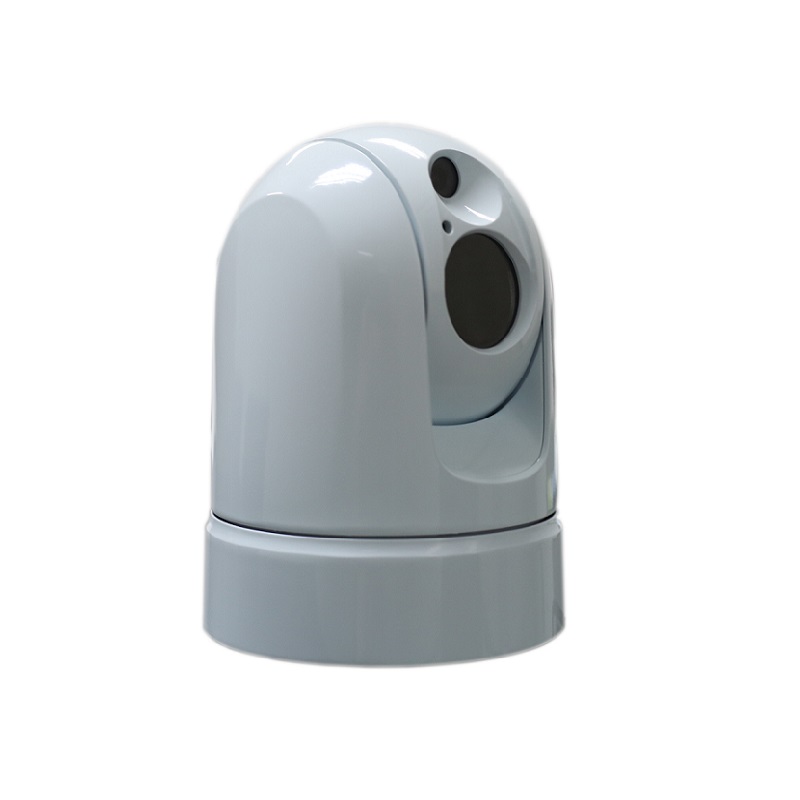
You face many choices when selecting a thermal PTZ camera for surveillance. Entry-level models cover basic thermal imaging needs. These cameras work well for simple night monitoring and urban surveillance. You get essential features, but you may miss advanced options like high optical zoom or specialized target tracking. High-end thermal PTZ cameras deliver top-tier performance. You gain access to advanced thermal imaging, superior durability, and features such as Optical Gas Imaging (OGI) or real-time alerts. These cameras excel in challenging environments and provide reliable surveillance during night and low light performance situations.
|
Camera Type |
Features and Performance Differences |
|---|---|
|
Entry-Level |
Basic surveillance needs; may lack advanced features but covers essentials. |
|
High-End |
Top-tier performance, durability, and specialized features like OGI or advanced target tracking. |
High-end thermal cameras offer enhanced image quality. You can identify objects at long distances, even at night. Superior durability means you spend less on maintenance and replacements. Advanced features improve safety and security, saving money over time.
|
Feature |
Benefit |
|---|---|
|
Enhanced Image Quality |
Provides clearer images for better identification at long distances. |
|
Advanced Features |
Includes capabilities like high optical zoom and low light performance. |
|
Reduced Operational Costs |
Lower maintenance and replacement costs over time due to better durability. |
|
Improved Safety and Security |
Enhanced surveillance leads to better safety outcomes, saving money long-term. |
Aligning Budget and Performance
You need a strategy to match your budget with the right thermal camera deployment. Full coverage ensures detection on every camera, eliminating blind spots. Priority-based coverage focuses on high-risk areas, helping you manage costs while maintaining impact. Phased expansion lets you gradually increase coverage as your budget grows.
|
Deployment Model |
Description |
|---|---|
|
Full Coverage |
Detection runs on every camera, providing comprehensive monitoring and eliminating blind spots. |
|
Priority-Based Coverage |
Detection is focused on selected cameras in high-risk areas, allowing for budget constraints while maintaining impact. |
|
Phased Expansion |
Gradual increase in coverage over time, aligning with budget cycles and infrastructure updates. |
High-end thermal PTZ cameras often include facial recognition and real-time alerts. Integration with smart home devices can reduce the need for multiple systems. Superior durability and longer lifespans make these cameras cost-effective for long-term thermal camera deployment. You should consider your surveillance goals, night monitoring needs, and the environment before making a decision.
Tip: Choose a thermal PTZ camera that fits your budget and delivers the thermal imaging performance you need for reliable night surveillance.
You achieve the best results when you match camera features to your specific security needs. Careful assessment helps you invest in a system that stays effective as your requirements change.
For example, when unusual activity occurs, analytics programs alert technicians and direct attention to the right camera. Officers review these alerts quickly and decide if a response is needed.
Consider these steps as you move forward:
-
Assess your organization’s needs and select equipment with advanced features like thermal imaging.
-
Consult a security professional for complex requirements.
-
Request a demo to see how thermal PTZ cameras perform in real-world conditions.
FAQ
What is a thermal PTZ camera?
A thermal PTZ camera detects heat signatures instead of visible light. You can use it to monitor areas in total darkness, fog, or smoke. PTZ stands for Pan-Tilt-Zoom, which means you can move and zoom the camera remotely.
How far can a thermal PTZ camera see?
Detection range depends on the camera’s sensor resolution and lens. Most thermal PTZ cameras can detect people from 300 to 900 feet away. High-end models can spot vehicles or larger objects at even greater distances.
Can I use a thermal PTZ camera indoors?
You can use thermal PTZ cameras indoors, but they work best outdoors. Indoors, heat sources like HVAC systems or electronics may affect image clarity. For indoor security, consider if you need thermal imaging or if a standard camera will work better.
Do thermal PTZ cameras work in bad weather?
Yes! Thermal PTZ cameras perform well in rain, fog, and snow. You can rely on them when visible-light cameras struggle. Make sure your camera has a high IP rating for the best weather resistance.
Are thermal PTZ cameras difficult to install?
Most thermal PTZ cameras install like regular security cameras. You may need professional help for advanced features or integration with existing systems. Always follow the manufacturer’s instructions for the best results.



 +8613725587481
 sales@winsafecctv.com